


Phoenix AZ New Construction Loans: 2026 Funding Guide
September 12, 2026Hard Money Loan FAQs: Your Top 20 Questions Answered by a Private Lender
When a deal demands speed and the bank will not move, a hard cash loan is often the only practical way to secure a purchase, bridge a gap, or finish a rehab. This post answers the top 20 questions investors ask — underwriting, realistic costs and timelines, required documentation, and how to compare private lenders. Expect clear benchmarks, lender-side tips, and concise examples so you can decide whether private funding fits the deal and how to prepare to close quickly.
1. What is a hard cash loan and how does it differ from a traditional mortgage
Concrete point: A hard cash loan is short term, asset backed financing for a property project where the lender underwrites the deal on the property value, rehab plan, and exit strategy rather than the borrower credit history. Typical investor terms run 6 to 24 months, 60 to 75 percent LTV (up to 70 percent ARV in many markets), and interest in the high single digits to mid teens plus origination points.
How underwriting, timeline, and costs differ
- Underwriting focus: Traditional mortgage – borrower income, credit score, long term debt ratios. Hard cash loan – collateral value, ARV, rehab scope, contractor credibility, and a clear exit plan.
- Loan term and amortization: Traditional mortgage – 15 to 30 year amortization, principal and interest payments. Hard cash loan – short term interest only or balloon, principal due at sale or refinance.
- Speed and flexibility: Traditional mortgage – slow, conditional on appraisals, underwriting, and borrower documentation. Hard cash loan – fast approvals and closings when documentation is ready, but at a higher price.
Practical tradeoff: You get speed and flexibility with a hard cash loan at the expense of higher carrying cost. That cost is not a minor line item on flips and bridge deals – it eats directly into profit, so you must budget accurately for interest, points, and draw delays. In practice an extra 30 to 60 days of carry can turn a profitable flip into a break even deal.
Concrete example: A Phoenix investor buys a distressed house for $200,000 with a $60,000 rehab. A lender offering 70 percent LTV on purchase covers $140,000. The borrower must bridge the $120,000 gap in equity and down payment, or finance part with partner capital. At 10 percent interest and 2 points on a 12 month loan the interest cost is roughly $14,000 and upfront points are $2,800 – costs that materially affect the expected flip margin.
Judgment call investors miss: Hard cash loans are not interchangeable with short term personal cash loans or payday products. Those are unsecured and built for emergency cash with very different consumer protections. Hard cash lending is secured by real estate, expects a project plan, and will refuse deals with unrealistic ARV assumptions or weak contractor schedules. See a concise definition at Investopedia for background.
Lenders will approve deals on project credibility not borrower history. If your rehab scope, contractor, and exit plan are weak, speed alone will not get you funded.

2. Who is an ideal candidate for a hard cash loan
Direct point: The ideal candidate is an active real estate investor or small developer who needs speed and flexibility and can show a credible exit plan tied to the property value rather than purely relying on personal credit.
What lenders actually look for: Collateral quality, realistic ARV, verified rehab scope and contractor credibility, and a clear exit strategy. Credit score matters less than in banking, but it is not irrelevant – lenders still check credit to spot fraud, track payment history, and verify financial capacity.
Three realistic candidate profiles
- Experienced flipper: Repeat borrower with a five project track record, licensed general contractor on contract, and an ARV supported by comps. This borrower gets faster approvals and better pricing because underwriting focuses on execution risk.
- Small developer / bridge borrower: Developer who needs a 6 to 12 month bridge to finish a value add multi unit and refinance into permanent financing. Lender prioritizes construction management, budget contingency, and prequalification for permanent debt.
- First time investor with a strong deal: No personal flips but brings a clean title purchase, licensed contractor bids, 15 percent contingency, and 30 percent equity. Acceptable to many private lenders if the project math is solid and documentation is verifiable.
Borderline candidate and how to get acceptable: A borrower with limited experience and an unlicensed handyman running the rehab is a high risk. To strengthen the file replace the handyman with a licensed contractor, produce itemized bids and lien releases, and increase contingency or down payment. That reduces execution and lien risk enough for many lenders to approve at slightly higher cost.
Tradeoff that matters: If speed is the priority, expect to pay for it. Quick funding and acceptance of imperfect properties come at higher interest and fees. The ideal use case is when the incremental profit from closing the deal sooner exceeds the additional finance and carry costs.
Common misconception corrected: People assume bad credit means automatic denial. In practice, collateral and exit plan dominate. Borrowers with low FICO can qualify if the property and rehab plan remove the lender execution risk and if there is transparent documentation.
Concrete example: A Phoenix small developer needs a 9 month bridge to finish a four unit rehab. Purchase price 600,000, rehab 150,000, ARV 900,000. With verified contractor bids, a 12 percent contingency, and a prequalified conventional lender willing to refinance post stabilization, the developer secures a 65 percent LTV hard cash loan to close quickly and complete the project – accepting higher carrying cost because holding time will be cut from 12 months to 6 months.
Next consideration: If your file lacks one of the core items – verified contractor, contingency, or exit preapproval – fix that before applying. It moves the conversation from rate negotiation to execution assurance, where lenders make faster, higher confidence decisions. For specifics on documentation and timelines see Level 4 Funding.
3. How do private lenders underwrite hard money loans
Underwriting is a discipline of limits, not opinions. Private lenders make credit decisions by stress-testing the collateral, the exit plan, and the repair budget — in that order. Borrower credit and experience matter, but they are secondary to whether the property, once finished or stabilized, will cover repayment.
Underwriting checklist — the sequence that decides approval
- Valuation: Lenders need an as-is value and an after repair value (ARV). Expect a valuation via appraisal or BPO and independent market comps.
- Scope and budget: Itemized rehab budget, licensed contractor bids, and a realistic timeline. Lenders treat line-item credibility as a proxy for execution risk.
- LTV vs LTC: Which cap applies depends on product. For flips lenders often choose the lower of percentage-of-ARV and percentage-of-total-cost (LTC).
- Exit strategy verification: Evidence that the borrower can sell, refinance, or hold (rents, pre-qualification letters, market rent comps). Lenders run optimistic and conservative exit scenarios.
- Title and legal risk: Preliminary title report, liens, judgments, or unresolved probate kill deals or force additional reserves.
- Reserves and contingency: Minimum contingency (commonly 10% of rehab) and cash reserves to cover hold costs are required — speed won't eliminate this.
- Borrower track record: Experience reduces friction; first-time operators compensate with larger equity or stronger contractor relationships.
Practical trade-off: Faster funding reduces market risk but increases the lender's reliance on borrower documentation rather than lengthy third-party validations. Expect either a higher price (rate/points) or larger reserves when you want funding in 24 hours.
Common underwriting adjustments — what gets trimmed: ARV markup (lenders typically haircut ARV by 5–15 percent if comps are thin), higher contingency requirements for unpermitted work, and lower LTV on value-add multi family or mixed use properties.
Concrete example: Purchase price $200,000, rehab $60,000, projected ARV $320,000. A lender with a 70% ARV cap and a 70% LTC cap will calculate: 70% of ARV = $224,000; 70% of total cost (purchase + rehab = $260,000) = $182,000. The lender funds the lower amount ($182,000). That creates a cash gap: buyer must bring $18,000 toward purchase plus a rehab contingency (10% = $6,000) and closing costs/points — real cash to close ≈ $24,000 before fees.
| Metric | Typical private lender expectation |
|---|---|
| Maximum LTV (residential investor) | 60–70% of ARV |
| Maximum LTC (rehab/construction) | 65–75% of total cost |
| Rehab contingency | 10–20% of rehab budget |
| Time to fund (if docs ready) | 24–72 hours |
Judgment that matters: Investors routinely overvalue their ARV and under-budget contingencies. In practice, the single most effective thing you can do to improve a file is provide a licensed contractor's line-item bid and recent comparable sales. That kills uncertainty faster than reams of personal financials.
Next consideration: Before you apply, run the numbers both ways — ARV-based and cost-based — and list your plan B exit. Lenders will do the same; if your plan B fails, their price and leverage will tighten immediately.
4. What documents are required to get approved quickly
If you want a hard cash loan in 24 to 72 hours, deliver six precise documents up front. Lenders move fastest when they can value the collateral, verify the rehab plan, clear title risk, and confirm you can close. Missing one of these items typically turns a fast approval into a conditional approval that drags out underwriting.
Quick approval checklist
- Purchase contract: fully executed contract with seller details, earnest money terms, and closing date.
- Scope of work and contractor bids: itemized rehab budget, signed contractor contract, contractor license and insurance where required.
- Preliminary title report or vesting info: current title status, vesting, and any obvious liens or encumbrances.
- Proof of funds and bank statements: suficiente funds to cover borrower equity gap and closing costs; recent bank statements or bridge funds letters.
- Government ID and entity docs: driver license for individuals and operating agreement or Articles of Organization for LLCs.
- Property photos and inspection or BPO: recent photos of interior and exterior; a broker price opinion or inspection speeds value confirmation.
Documentation nuance: lenders will accept either a BPO or a short appraisal for quick value checks; do not assume a soft credit check is sufficient. Hard cash loan underwriters focus on the physical collateral and the rehab math, so substitute proof that work will be completed with licensed contractor credentials and signed invoices rather than vague timelines.
Common missing items that cause delays
- Unsigned or contingency riddled purchase contracts: missing signatures or vague inspection contingencies create hold points.
- Incomplete contractor packets: no line item pricing, no license or no signed timeline forces lenders to add higher retainage or deny draws.
- Outdated or missing title work: lenders need preliminary title to confirm first lien position; unresolved judgments stop funding.
- No clear exit statement: lenders want a concise plan to repay the loan whether by resale, refinance, or rental conversion.
- Insufficient proof of borrower funds: bank statements that do not match the stated down payment or earnest funds trigger verification delays.
Practical tradeoff: you can get a faster approval by accepting a small premium in holdbacks or points, or you can insist on minimal fees and accept a longer underwriting period. In practice, experienced borrowers who want speed provide stronger upfront documentation and accept routine lender protections like a 10 percent contingency and 5 percent retainage on draws.
Concrete example: A Phoenix investor buying a $200,000 distressed house with a $60,000 rehab budget submitted a fully executed purchase contract, three contractor bids with licenses, a preliminary title report, six months of bank statements showing funds for the 30 percent gap, a photo packet, and a one page exit plan stating a 90 day flip to market comps. Level 4 Funding underwrote value, confirmed contractor scope, and funded the loan within 24 hours because no title or permit issues appeared.
Preliminary title work and a complete contractor packet are the two documents that speed approval the most
5. What interest rates, points, and fees should I expect for a hard cash loan
Straight answer: Expect materially higher periodic cost and upfront charges than a conventional mortgage. Typical investor residential hard cash loan pricing runs 8 to 14 percent interest with 1 to 4 points origination, plus closing, title, draw, and inspection fees that add 1 to 3 percent or more of the loan amount depending on the deal structure.
How lenders actually layer cost
Pricing components matter differently for investors. Interest rate controls the monthly carry; points are cash out of pocket at closing; ancillary fees and inspection costs are transaction friction. Which matters most depends on term length. For a 6 to 12 month flip, points and monthly interest dominate total cost. For a longer bridge or rental hold, the quoted rate becomes more important.
Key tradeoff: Borrowers often try to lower points by accepting a higher rate. That is reasonable if the project will run long. If the plan is a quick flip, paying points to reduce monthly interest is often cheaper overall. Do the math to compare total cost over your expected hold period, not just the headline rate.
Fees you should always ask about
- Interest rate: 8 to 14 percent typical for investor residential deals depending on LTV, borrower profile, and property type
- Origination points: 1 to 4 percent paid at closing or financed into the loan when allowed
- Title and closing costs: $1,000 to $4,000 depending on state and transaction complexity
- Draw and inspection fees: $75 to $300 per draw plus potential holdbacks or retainage of 5 to 10 percent
- Underwriting or processing fees: $500 to $2,500 flat in some cases
- Extension or late fees: 1 to 2 percent or explicit daily late interest for missed maturities
Interest accrual and structure alter effective cost. Some lenders require monthly interest payments; others allow interest to accrue and be paid at maturity or rolled into a payoff. Rolling interest increases the principal on exit and can create refinancing friction. Always request a loan illustration showing monthly cash flow and total payoff at the projected exit date.
Concrete example: On a 12 month $200,000 loan priced at 10 percent with 2 points, the borrower pays $4,000 in points at closing and about $20,000 in interest for the year if interest is paid monthly. Add $2,000 of title and closing costs and $500 in draw inspection fees and the financing cost for the year approaches $26,500 or roughly 13.25 percent of the loan amount. That number matters when you model profit on a flip or the debt service coverage for a rental.
| Item | Typical range | Example on $200,000 loan |
|---|---|---|
| Interest rate | 8 to 14 percent | $20,000 at 10 percent per year |
| Origination points | 1 to 4 percent | $4,000 at 2 points |
| Title and closing | $1,000 to $4,000 | $2,000 |
| Draw inspections | $75 to $300 per draw | $500 total |
| Total financing cost (example) | 3 to 18 percent of loan depending on term | $26,500 or 13.25 percent |
Ask lenders for a loan illustration showing total dollars paid through your expected exit date, not just rate and points.
Judgment: Rates and points are negotiable only up to a point. Strong deals with low LTV, proven exit plans, and repeat borrowers can push toward the lower end of ranges. Riskier assets, poor comps, or unclear exits will force the lender to price higher or require more borrower equity. If you plan to refinance to conventional financing, present a prequalification letter to get better pricing up front.
6. What loan to value and loan to cost ratios do lenders use
Key point: Lenders use two different lenses to size their risk — loan to value (LTV) and loan to cost (LTC) — and which one controls the deal depends on the product and project stage. For a hard cash loan the headline LTV number you see in marketing is rarely the only constraint that determines how much cash you actually get at closing or on draws.
When LTV matters and when LTC matters
LTV focus: Lenders quote LTV when underwriting based on the property value — either as is value or ARV for flips. LTV is convenient for quick comparisons across lenders, but it hides project costs and draw mechanics. See the general concept on Investopedia.
LTC focus: For construction and heavy rehab deals lenders underwrite against total project cost with LTC because the risk is whether the borrower has enough equity to finish the job. LTC tells you the real cash gap you must bring and whether the budget includes contingency and soft costs.
- Practical rule: Flips are often quoted on ARV-based LTV (example: up to 70 percent of ARV), while ground-up construction and large rehabs are evaluated on LTC (commonly 65 to 75 percent of total cost).
- Holdbacks matter: Even if LTV or LTC calculates to a certain loan amount, lenders hold back retainage and require contingency reserves, which reduce usable proceeds during the project.
- Combined liens reduce leverage: If there are subordinate loans, lenders underwrite on combined LTV and will lower advance percentages or demand payoffs.
Concrete example — same project, two metrics
Concrete example: Purchase price $200,000, rehab budget $60,000, ARV estimated at $350,000. Total project cost equals $260,000. An ARV LTV cap at 70 percent would suggest a max loan of $245,000, but a lender using a 75 percent LTC cap would size the loan at $195,000. That 50,000 difference is the real cash gap the borrower must provide or source with a second loan.
Why this matters in practice: Lenders will usually pay draws only as work is verified, and they often require a 10 to 20 percent contingency outside of LTC calculations. So even if ARV math looks generous, your available cash during construction can be materially less. Treat LTC as the controlling number for budgeting cash needs on rehab and construction deals.
Investor judgment: Advertised maximum LTVs are conditional. Ask the lender whether their offer is ARV LTV or LTC, what retainage and contingency they require, and whether their appraisal or BPO adjusts ARV downward for market comps.
7. How fast can I get funded and what speeds are realistic
Straight answer: With a clean file many private lenders fund in 24 to 72 hours; Level 4 Funding routinely funds Arizona deals in 24 hours when title is clear and documentation is complete. Speed is real, but it is earned — not automatic.
What actually controls the clock
Key drivers: Title clearance, a verified scope of work and contractor bids, proof of borrower funds, and appraisal or BPO timing. Any one of those items can add days or weeks. Title issues and undisclosed liens are the most common single cause of delay in practice.
Tradeoff to understand: Faster funding usually costs more. Lenders will charge for rush appraisals, expedited title, or accept higher pricing to take on compressed timelines. If you prioritize speed over cost you must budget the added fees into your deal math or your profit will erode quickly.
Realistic funding scenarios and who needs each
- 1 day (24 hours): For experienced investors with a completed preliminary title report, signed purchase contract, verified funds, licensed contractor bids, and a recent BPO or appraisal waiver. Useful for auction or double escrow wins but requires discipline and prework.
- 3 days: The practical sweet spot for most flips. Allows time for a quick appraisal or BPO, final title clearing, and couriered docs for closing. Good balance of speed and cost.
- 7 days: Typical when an appraisal is required, HOA documents must be pulled, or the property has title complications. Still fast compared with banks but realistic when permits or additional inspections are needed.
Concrete example: An investor in Phoenix had a signed contract on a distressed property at 9 AM Monday. They uploaded the purchase contract, licensed contractor bids, proof of funds, and a preliminary title report before noon. Level 4 Funding underwrote and coordinated a same week closing and funded within 24 hours because title had no encumbrances and a BPO replaced a full appraisal.
Common mistake: Investors assume an online application alone will trigger fast funding. In reality lenders need verifiable third party items. Submitting incomplete contractor scopes, weak proof of funds, or relying on verbal promises from the title company defeats speed claims.
- How to hit the 24 hour window: Order a preliminary title report early, prepare a signed contractor scope with line item costs, have certified funds documentation ready, and accept a BPO instead of a full appraisal if the lender and buyer closing requirements allow it.
- When to accept a slower timeline: If there are title exceptions, required municipal permits, or complex multiunit income underwriting. Rushing these is how projects go sideways.
8. Which property types qualify for a hard cash loan
Direct point: Most hard cash lenders will consider a broad set of real estate assets, but underwriting, documentation requirements, pricing, and maximum LTV vary sharply by property type. What qualifies on paper is different from what funds quickly and cleanly in practice.
Common property types and lender focus
| Property type | Typical lender appetite | Key underwriting focus |
|---|---|---|
| Single family – flips and rentals | High | ARV, rehab scope, clear title, contractor bids |
| Small multifamily – 2 to 4 units | High | Rents, unit condition, vacancy assumptions, local market comps |
| Multifamily 5+ units and commercial | Selective | NOI, cap rate, tenant leases, DSCR, longer approval timeline |
| Condominiums | Cautious | HOA financials, litigation, percentage owner occupancy |
| Mixed use | Case by case | Zoning, income split residential vs commercial, permits |
| Vacant land | Hard to place | Entitlement status, access, utilities, development plan |
| Mobile homes / manufactured | Limited | Land ownership, title status, park rules |
| Special use – gas stations, car washes | Specialist lenders | Environmental site assessments, long term cash flow |
Practical insight: Lenders price complexity. Simple distressed single family flips move fastest with the most competitive LTV and rate profile. Assets that require environmental reports, complex lease reviews, or HOA audits will see higher rates, greater equity requirements, and slower funding.
Concrete example: An investor in Phoenix wants to buy a fourplex for $400,000 with $150,000 in rehab. A hard cash lender will underwrite against pro forma rents and ARV – expect the lender to treat this as a small commercial deal, require rent rolls or market rent comps, and offer up to 65 to 70 percent of the lower of purchase plus rehab or ARV, with draw oversight for rehab disbursements. That structure means the borrower must cover a meaningful equity gap up front.
- Tradeoff to accept: Seeking funding for nonstandard assets forces two choices – supply more equity or accept a higher rate and stricter covenants. There is no middle ground for difficult properties.
- Condo caution: If HOA docs show litigation or low reserves, expect reduced LTV or a flat decline. Lenders do not underwrite projected resolution of HOA problems.
- Environmental and permitting: Properties with potential contamination, significant grading, or unpermitted work need additional reports. Budget both time and money for those studies.
Key judgment – pick a lender based on the asset. A lender good at single family flips will not necessarily be the right partner for mixed use or gas station financing.
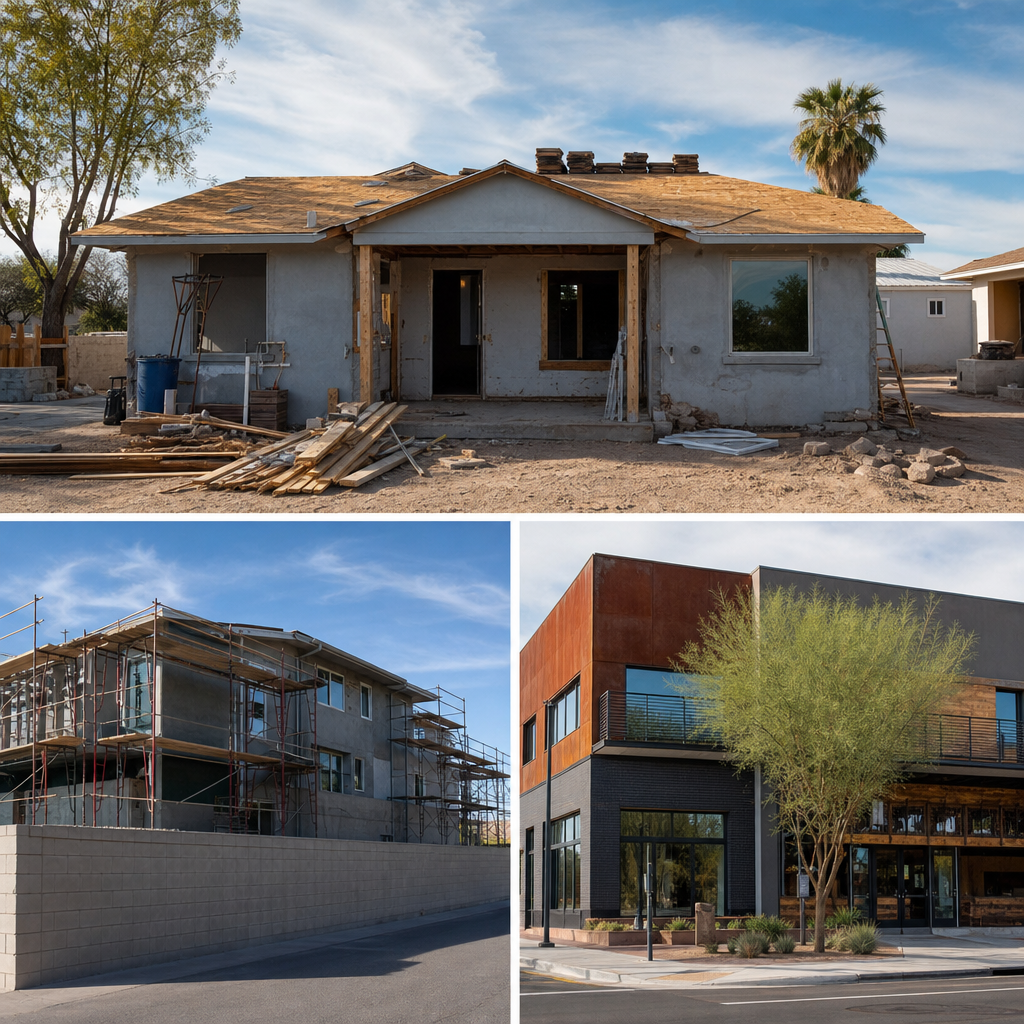
Next consideration: Before you submit an application, match the property to the lender appetite and bring targeted documents – detailed contractor bids for rehab, HOA package for condos, and income evidence for rentals. That will keep the process fast and avoid surprises at underwriting.
9. Can I use a hard cash loan for buy and hold rental investments
Short answer: Yes — hard cash loans can and often do finance buy-and-hold rental purchases, but the underwriting shifts from ARV-driven flip math to cash-flow and stabilization metrics, and that difference changes pricing, reserves, and exit planning.
Underwriting focus for rentals: Lenders will look at projected net operating income (NOI), vacancy assumptions, management costs, and debt service coverage rather than just after-repair value. Expect requests for rent comps, two to three comparable leased properties, and realistic expense lines (insurance, taxes, utilities, management, capex). Lenders also price for longer exposure risk — rates and points will usually be higher than a short flip loan.
Practical trade-offs you need to accept
- Higher carrying cost: Using a hard cash loan long term means paying higher interest compared with conventional buy-and-hold mortgages; this compresses cash-on-cash returns if you plan to hold without refinancing.
- Reserves and seasoning: Lenders commonly require larger cash reserves (often 3 to 6 months of debt service plus a capex buffer) and may want a seasoning period or proof of stabilized rents before approving a refinance to permanent financing.
- Management expectation: If you are not local or not experienced as a landlord, expect the lender to require a property manager or to stress-test your pro forma with higher vacancy/maintenance assumptions.
Concrete example: You buy a 4-unit for $400,000, lender offers a 70 percent loan equal to $280,000 on an interest-only hard cash loan at 10 percent. Annual interest is $28,000, or about $2,333 per month. If gross rent is $4,000 per month and you budget 30 percent for expenses, your net is $2,800 — leaving roughly $467 per month before reserves and unexpected repairs. That margin is workable short term, but thin for a long hold without refinancing to a lower-rate mortgage.
When it makes sense: Use a hard cash loan to buy and stabilize a value-add rental when timing or property condition rules out bank financing — for example, buying, rehabbing, and leasing a small apartment package to prove cash flow, then refinancing to a conventional 30-year mortgage once leases are in place and repairs are complete. This leverages the speed of private lending while limiting the expensive portion of the capital stack to the shortest necessary window.
When it fails in practice: Hard money becomes a poor choice if you intend to hold for many years without planning a refinance. Investors who underestimate vacancy, maintenance, or rising interest carry find their yields eroded quickly. If your business model depends on thin margins, insist on concrete refinance exit criteria before closing.
Further reading: For lender-level comparisons and rental underwriting nuance see the BiggerPockets guide to private lenders and product differences at BiggerPockets.
10. How do repayment structures work for hard money loans
Direct point: Hard cash loan repayments are built around short term exits, not 30 year amortization. Lenders give flexible payment mechanics to match the project – interest only with a balloon, draw-based interest during construction, accruing interest rolled into payoff, or limited amortization with a balloon. The structure you choose changes cash flow, project math, and refinancing risk.
Common repayment structures
- Interest only with balloon: Borrower pays interest monthly and repays principal at maturity. This is the default for flips and short bridge loans because it minimizes monthly carry.
- Interest reserve or capitalized interest: Lender sets aside a portion of the loan to pay interest during the rehab period. Useful when the borrower needs cash for rehab rather than carrying monthly interest out of pocket.
- Accruing interest / rolled interest: Interest is allowed to accrue and is repaid with principal at payoff. This lowers monthly cash flow but increases total cost and adds compounding risk.
- Draw-based interest: Interest accrues only on the amount funded to date. Typical for rehab and construction where funds are disbursed in phases.
- Amortizing payment with balloon: Monthly principal and interest payments calculated on a long amortization schedule with a balloon remaining at maturity. More common on rental or small commercial deals where cash flow must service principal.
Practical tradeoff: Interest only reduces monthly burden and helps flips maintain positive cash flow, but it forces a hard refinancing or sale at maturity and masks true carrying cost. Amortization lowers the balloon risk but raises monthly debt service and usually costs more in closing or pricing. Accruing interest keeps cash in the project but compounds cost and can kill refinance options if the loan balance grows too close to permitted LTV.
Concrete example: On a 12 month hard cash loan for $200,000 at 10 percent interest with interest only payments, monthly interest is $1,667 and the principal $200,000 is due at maturity. If the loan has a 2 percent origination fee, expect $4,000 out of pocket at closing plus the monthly interest carry. For a draw scenario: a $200,000 project funded as $150,000 at close and $50,000 in two draws will incur interest only on the funded amounts – the monthly interest will step up as draws are issued, so model interest on the outstanding balance, not the original commitment.
Real-world judgment: Many borrowers underestimate interest carry during draws and assume they can refinance immediately. In practice, appraisal timing, seasoning rules, and title issues often delay refinance by weeks. That gap turns an anticipated 3 month carry into 5 or 6 months of interest – plan conservatively and build an interest reserve equal to at least three months of expected carry.
- What to check in the term sheet: whether interest is paid monthly or capitalized, how draws affect interest, any per diem interest clauses, prepayment penalties, and whether a lender holds a retained percentage on the final draw.
- How repayment affects exit options: interest only keeps sale proceeds larger for the borrower but can trigger tougher refinance underwriting because some banks will not refinance loans with recent accrued interest or unresolved liens.
- Operational constraint: lenders often require inspections before final draw and before accepting a refinance paydown – factor inspection timing into your repayment schedule.
Important: model total interest carry from funding through the realistic refinance or sale date, not just the contracted loan term.
For deeper reading on lender mechanics see Investopedia.
11. What is an exit strategy and how will a lender evaluate it
Exit strategy is the single thing that turns a hard cash loan from speculation into underwriteable risk. Lenders do not just want a plan, they want a verifiable path to repayment that they can stress test against market moves and timeline slippage.
How lenders evaluate an exit
Core evaluation criteria: Underwriting focuses on three practical questions – can the property be sold or refinanced within the loan term at realistic numbers, what proof supports that claim, and what is the fallback if the preferred exit fails. Lenders weight time to exit, liquidity of the market, and ease of verification more heavily than borrower intent.
- Market comps and ARV realism: Lenders expect recent comparable sales in the same submarket and will often apply a 10 to 20 percent haircut to aggressive ARV claims.
- Refinance prequalification: A preapproval or soft approval letter from a conventional or portfolio lender materially strengthens an exit that depends on refinance.
- Sales plan evidence: For flip exits, a staging, marketing, and listing timeline plus agent agreement or comparable days on market support the timeline.
- Rental underwriting: For lease up exits, lenders require rent comps, vacancy assumptions, and evidence of demand such as waiting lists or local occupancy stats.
- Contingency and liquidity: Proof of cash reserves or partner capital to cover overruns is treated as a real exit hedge, not optional padding.
Practical tradeoff to understand: A fast sale gives the lender a clear cash paydown but exposes you to market timing risk. A refinance requires qualification with a downstream lender and carries appraisal and seasoning risk. A lease and hold reduces short term market exposure but forces the lender to underwrite ongoing cash flow and likely requires lower LTV or higher reserves.
Concrete example: An investor buys a Phoenix fixer for $200,000 with $60,000 rehab and projects an ARV of $320,000. If the lender accepts the flip exit, they will model selling costs (6 to 8 percent), holding costs and a conservative sale price – e.g., underwriting sale at $300,000 after a 6 percent haircut on ARV. Net proceeds after selling costs are compared to loan payoff to confirm the loan is repaid with acceptable margin.
Exit strategy documents to prepare
- Comparable sales package: 3 to 6 recent comps with addresses, sale dates, and why they match.
- Refinance evidence: Preapproval letter or lender checklist showing criteria and likely LTV.
- Sales timeline and agent agreement: Listing plan with estimated days on market and broker commission.
- Lease documentation: Rent roll projections, sample lease, and local vacancy data if holding as rental.
- Contingency proof: Bank statements or partnership capital commitments to cover at least 10 percent of rehab and 3 months holding costs.
Lenders value exits they can verify quickly. A refinance letter or signed agent agreement moves you from speculative to credible.
If you want tactical guidance on exit templates and how to present them to underwriters, see the BiggerPockets guide for market examples and adapt the evidence items above to your local market. Next consideration: decide which exit you can prove today, not which exit would be nicest if everything breaks perfectly.
12. What are common red flags that lead to declined hard money loan applications
Most declines are avoidable. Lenders turn down applications for concrete, repeatable reasons — not vague hunches. If you want a fast approval for a hard cash loan, fix these predictable issues before you submit paperwork.
- No credible exit strategy: Lenders need a realistic plan to repay the loan at term. Mitigation: Supply market comps, a refinance pre-approval letter, or a sales timeline with comparable sale history. If you promise refinance but have no lender contact, expect a decline.
- Unrealistic ARV or weak comps: Inflated after repair values are the fastest route to rejection. Mitigation: Get an independent BPO or appraisal and use conservative ARV assumptions (back down 5–15 percent from optimistic comps).
- Underbidding rehab costs / no contingency: Missing contingency for overruns kills deals. Mitigation: Add 10–20 percent contingency and provide licensed contractor bids and itemized scopes rather than high-level estimates.
- Title defects and unresolved liens: Tax liens, unreleased mortgages, and judgments block funding. Mitigation: Run a preliminary title report, clear junior liens, or budget to pay off small liens at closing.
- Unsupported contractor claims or missing permits: Verbal contractor promises and no permit history increase lender risk. Mitigation: Use licensed contractors, signed contracts with schedule and lien releases, and show permit pull history when applicable.
- Borrower transparency and documentation gaps: Missing bank statements, proof of funds, or evasive communication often results in a decline. Mitigation: Provide clean, organized docs and respond quickly to lender questions.
Concrete example
Concrete Example: A borrower submitted a quick cash loan request for a Phoenix flip claiming an ARV of $320,000 while local comps in the neighborhood supported $270,000. The lender ordered a BPO, lowered ARV to $275,000, reduced LTV, and required a larger borrower gap — the original terms were declined. The borrower avoided that outcome by arranging an independent valuation and increasing contingency funds before reapplying.
Practical trade-off: You can sometimes win approval by accepting tighter terms — lower LTV, higher points, or a larger down payment. That accelerates funding but reduces your project leverage. Decide whether speed is worth the extra cost for this deal.
What borrowers often misunderstand: Many assume bad credit equals automatic decline. In practice lenders will overlook credit if the collateral, contractor credibility, and exit plan are solid. Conversely, excellent credit won't save a file with title clouds or bogus ARV math.
13. How are rehab draws managed and what documentation is required for each draw
Direct point: Rehab draws are control points, not discretionary bonuses. Each draw releases a portion of the approved rehab budget after the lender verifies work completed against the original scope, contractor invoices, and lien protections. This protects the lender and forces discipline on the contractor and borrower.
What lenders actually verify at each draw
- Signed, itemized contractor invoice: shows labor and materials tied to scope line items.
- Conditional lien waiver from contractor and major subs: conditional on receipt of payment; unconditional waivers are required at final payment.
- Photos and progress documentation: clear before and after photos, not phone selfies, ideally geotagged or timestamped.
- Permits and inspection sign offs where applicable: for any work that required permits the approved inspection must be shown.
- On site or third party inspection report: short form checklist confirming percent complete and punchlist items.
- Updated schedule and budget: notes any approved change orders and remaining contingency.
- Proof of payment to subs for prior draws when required: receipts or paid invoices for critical trade work.
Holdback practice and tradeoff: Most private lenders hold a retainage of 5 to 10 percent of the rehab budget until final completion. This retainage prevents contractors from walking with partial payment but creates a cashflow need for the borrower. If you want faster draws, expect the lender to require licensed contractors, preapproved budgets, and stronger documentation.
| Draw | Percent of total rehab budget | Amount funded on a $60,000 rehab | What the lender verifies |
|---|---|---|---|
| Draw 1 Mobilization | 20% | $12,000 | Demo, permits, mobilization invoices, contractor license |
| Draw 2 Rough Work | 30% | $18,000 | Framing, mechanicals, roofing; rough inspection and invoices |
| Draw 3 Finishes | 30% | $18,000 | Drywall, paint, cabinets, flooring; photos and invoices |
| Draw 4 Final Pay | 10% | $6,000 | Fixtures, cleanup, punchlist items; near final inspection |
| Retainage | 10% | $6,000 | Held until final inspection and unconditional lien waivers |
Concrete example: A Phoenix investor with a $60,000 rehab will often receive $54,000 in four draws while the lender holds $6,000 as retainage. If the contractor leaves the job 80 percent complete and has not delivered conditional waivers for subs, the lender will stop funding. The borrower then faces either paying out of pocket to finish work or negotiating a new contractor, both of which extend timeline and carrying cost.
Common operational pitfalls: Borrowers assume paying subs directly solves lien exposure. It does not unless the lender has seen paid invoices and waivers. Another mistake is frequent small draws to chase cash which increases inspection fees and administrative delay. Batch draws to meaningful milestones and present crystal clear line item invoices.
Key point: Get licensed contractors, itemized invoices tied to the approved scope, and conditional lien waivers at time of payment. Expect a 5 to 10 percent retainage and plan project cashflow accordingly.
Level 4 Funding practice: We perform draw inspections at each milestone, require conditional lien waivers for payment, and typically hold 10 percent retainage until final completion. For Arizona deals we can expedite inspections when contractors and permits are prequalified, reducing draw turnaround time to 24 to 48 hours.
Next consideration: align your draw schedule with your exit plan and contingency cash. If you cannot cover a 5 to 10 percent retainage plus a modest contingency, the project will stall and carrying costs will climb quickly.
14. Are hard money loans subject to state regulations and is Level 4 Funding licensed in Arizona
Short answer: Yes — a hard cash loan is not above the law. State lending, usury, licensing, and disclosure rules still apply, but enforcement and exemptions vary depending on whether the loan is commercial/investment or consumer-facing. Do not assume consumer protections that apply to payday loans or personal loans automatically cover investor loans.
Arizona specifics: The Arizona Department of Financial Institutions regulates many lending activities within the state. For investor-focused lending there are fewer consumer-style protections, but lenders must still comply with state registration requirements, truth-in-lending style disclosures, and any applicable licensing. If a lender markets consumer products like quick cash loan or same day loans, different rules and consumer protections may kick in — which is why you should check the regulator, not just the sales pitch.
How to verify a lender in Arizona before you sign
- Check the regulator: Search the Arizona DFI license or registration lookup and confirm the entity name matches contracts and W9s.
- Request evidence: Ask the lender for registration numbers, a copy of their Articles of Organization, and a sample loan agreement showing required disclosures.
- Ask for references: Request 2–3 recent Arizona closings and speak to title companies or attorneys who handled those transactions.
- Clarify product classification: Confirm whether your loan will be treated as an investment/commercial loan or a consumer cash advance — the legal protections and applicable statutes differ.
- Get counsel for multi-state deals: If you or the property are out of state, verify licensing in that state as well or get a short attorney opinion.
Practical limitation: Licensing checks are necessary but not sufficient. A licensed lender can still have predatory pricing or unclear fee structures. Licensing tells you the lender is registered to operate; it does not certify favorable terms or good practices. That judgment still requires reviewing sample term sheets and closing statements.
Level 4 Funding in Arizona: Level 4 Funding is Phoenix based and operates under Arizona regulations. When working with Level 4 Funding, ask for the same documentation above — registration verification, sample closing figures, and recent Arizona references — before you rely on any verbal assurances. Verifying those items is fast and standard practice for any professional investor.
Concrete example: A Phoenix investor buying a distressed duplex asked Level 4 Funding for registration proof and a sample HUD to compare fees. After confirming the company on the Arizona DFI lookup and reviewing a sample closing statement, the investor felt comfortable moving forward and included a licensing verification contingency in the purchase contract.
15. How are taxes and deductions handled for hard money loan interest and fees
Straight answer: Interest on a hard cash loan used for investment or business purposes is usually deductible, but how and when you deduct it depends on how you hold and use the property and on the nature of each fee. Do not assume every charge is immediately deductible.
What is typically deductible and what is capitalized
Interest versus fees: Interest paid on a loan for an investment property or business project is generally a business or investment expense. By contrast, origination points, placement fees, and many closing costs are often capitalized – meaning they are added to the cost basis of the property or amortized over time rather than deducted all at once. The exact treatment varies by use case.
Holding intent matters: If you acquire and flip a property as inventory, many lenders and tax advisors treat interest and financing costs as ordinary business expenses deductible in the year incurred. If you buy to hold as a rental, interest is typically deductible against rental income and some fees are recovered over time through basis adjustments and depreciation.
Practical limits, tradeoffs, and IRS scrutiny
Key tradeoff: Classifying a project as a flip or as a rental changes taxable income and can materially change after-tax project returns. Aggressively treating costs as immediate deductions to reduce tax in the short term can trigger IRS questions if the economic facts do not support that classification. Consult a CPA before you file.
- Common practitioner's rule: For flips treat interest as a business expense; for rentals treat interest as an expense against rental income and capitalize allowable fees into basis.
- Points and origination fees: Often amortized over the loan term when the loan secures the property; if related to acquiring the property they may be capitalized into basis.
- Refinances and payoffs: Timing rules change when you refinance or sell – some prepaid fees may still need to be amortized rather than deducted immediately.
Documentation you need: Keep the promissory note, settlement statement, lender annual interest statement or Form 1098 if issued, canceled checks, invoices for origination or broker fees, and draw logs showing how funds were used. These documents control whether an expense is deductible now or later as part of basis.
Concrete example: A landlord uses a $200,000 hard cash loan to buy and rehab a rental. Annual interest runs $18,000. That interest reduces taxable rental income for the year. The borrower pays $4,000 in points at closing; the CPA capitalizes those points into the property basis or amortizes them over the loan life depending on the lender position and loan structure. If the same deal had been a flip, a prudent CPA would likely treat both the interest and most financing fees as business expenses in the flip year.
Where people get it wrong: Many investors assume hard money interest is non deductible because the lender is private. That is false. Deductibility depends on use and classification, not on lender type. Also, do not assume state tax treatment matches federal rules – consult a CPA familiar with your state.
Next practical step: Give your CPA a compact packet: settlement statements, promissory note, lender interest statement, itemized closing costs, draw schedules, contractor invoices, and your exit strategy. If you need a primer on lender disclosures and loan basics, see Investopedia or check tax guidance at IRS before your meeting.
Frequently Asked Questions
Quick practical answers you can use at the deal table. Below are six of the short, real-world questions investors call us about most often, with direct answers, a lender-side tip, and where the real risk usually hides.
Top quick answers
- Is a hard cash loan the same thing as a private money loan: Yes — both refer to short-term, asset‑backed financing from nonbank lenders. Practical tip: use the terms interchangeably when talking to brokers, but ask each lender for a sample term sheet to compare real costs.
- How much earnest money or down payment will I need: Expect to cover the equity gap not financed by the lender. For a 70 percent LTV cap on a $200,000 purchase expect to bring roughly $60,000 (30 percent) plus closing costs — more if you roll rehab costs into the loan. Example: Buying at $200,000 with a $60,000 rehab and 70 percent LTV typically requires about $80,000 of borrower funds (30% purchase gap plus any ineligible rehab items).
- Will a hard money lender accept subordinate financing or multiple liens: Sometimes. Many lenders require first position, but structured seconds are possible with lower combined LTVs and explicit underwriting. Caveat: adding a second lien materially raises complexity and closing timelines — expect higher fees and slower underwriting.
- Do lenders require licensed contractors for rehab draws: Most do for standard single family and small multifamily deals. Licensed, insured contractors with signed contracts and lien releases speed draws and reduce lien risk. If you use owner‑operator labor, expect extra documentation and reduced advance rates.
- Can I use hard money to buy a foreclosure or auction property: Yes, but expect stricter title requirements and larger contingencies. Auctions often create title gaps and unknown repairs; lenders will price that risk or require a curative title plan before funding.
- How should I present my exit strategy to a lender: Be concise and evidence‑based: one paragraph describing sale or refinance, two comps that justify ARV, a line item rehab budget with at least 10 percent contingency, and a timeline. Tip: attach a prequalification letter from a conventional lender if refinance is the planned exit — it moves you from hypothetical to plausible.
Common misunderstanding: Investors think hard cash loans are simply faster banks — they are, but speed only helps when your numbers are disciplined. Lenders will fund quickly for clean deals; they will also pull the plug quickly on sloppy budgets, unsupported ARVs, or title problems. That reality separates quick approvals from late surprises.
Judgment you should apply: If your project needs unusual title work, environmental clearance, or speculative rezoning, hard cash lenders will still consider it but will charge for uncertainty. Don’t treat private lending as a fix for poor pre‑underwriting — treat it as a faster close for properly vetted deals.
Immediate next actions
- Prepare the five items in the info box and email them to two lenders for sample term sheets; compare effective cost (interest + points + fees) not just headline rate.
- Order a BPO or quick appraisal if your ARV rests on aggressive comps; that single step removes the largest cause of reduced LTV offers.
- If you plan an auction or REO purchase, get a title agent review before bid day so you can present a curative plan to lenders at application.