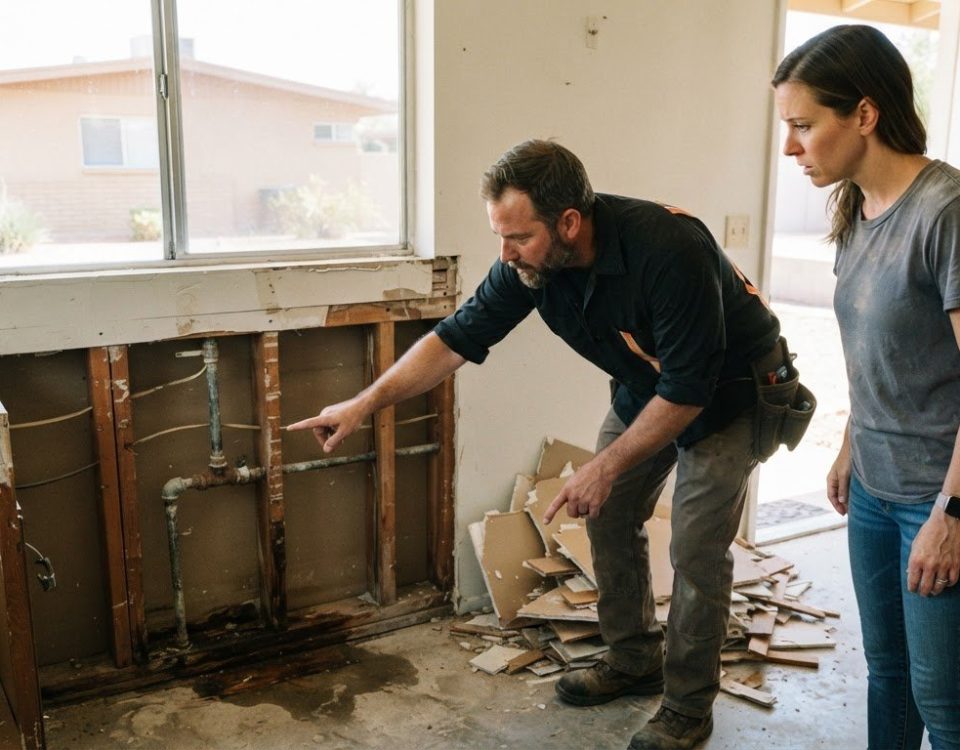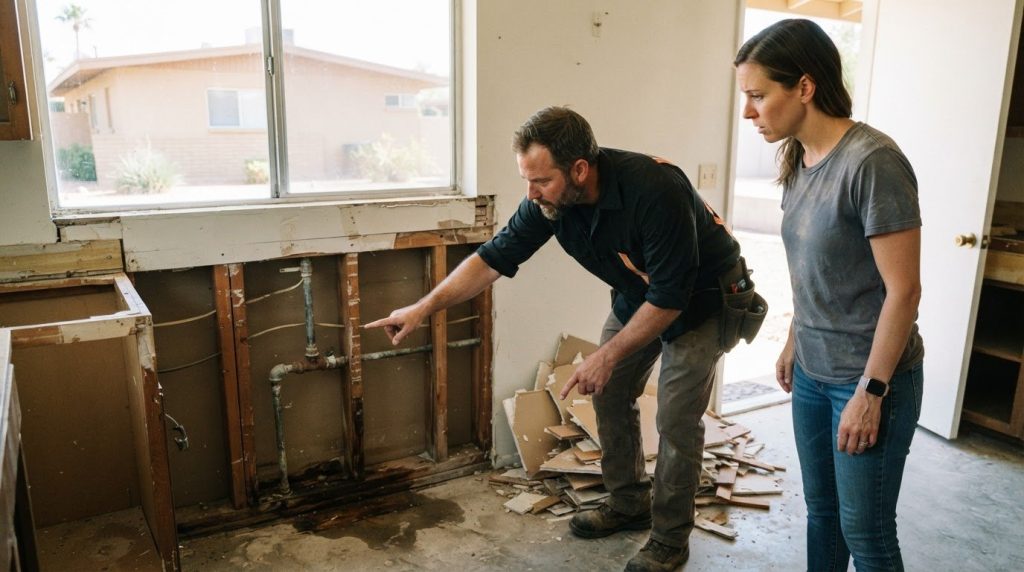


Financing a gut renovation in Phoenix around costs and loan fit
November 21, 2026
The Rise of Private Lending in Sun Belt Markets: What Florida and Arizona Investors Need to Know Now
Private lending is quietly becoming the default fast-capital solution across Sun Belt markets as migration, tight bank liquidity, and competitive buyouts force investors to move faster in Florida and Arizona. This article explains how florida hard money lending currently operates, compares the underwriting and timeline differences that matter between the two states, and gives a practical checklist with deal-level examples to help investors secure short-term funding and limit execution risk.
Why private lending is expanding in Sun Belt markets
Direct observation: private lending volume is rising because speed and certainty now beat price in many Sun Belt transactions, and this is especially apparent in florida hard money lending for investor deals that cannot wait on bank timelines. Investors are paying a premium for fast cash loans when a few days of delay means losing a deal or having to waive inspection contingencies.
- Population and demand pressure: net migration into Florida and Arizona is sustaining higher investor demand for limited inventory, see the U.S. Census estimates at Census Bureau.
- Interest rate and bank pullback: higher conventional rates and tighter bank appetite for nonstandard properties push borrowers toward private money lending that focuses on asset based lending instead of credit score requirements.
- Speed over price: private lenders win where appraisal delays, lender overlays, or lengthy underwriting would derail an acquisition or refinance.
Practical tradeoff: expect faster closings but lower LTV, higher hard money rates, and more lender protections. In practice that means lenders will ask for 60 to 70 percent LTV to purchase plus rehab or 65 to 75 percent of ARV for flips, charge points and origination fees, and insist on recourse or personal guarantees. That structure reduces lender risk but increases borrower cash needs and lowers margin tolerance on a deal.
Concrete example: A Tampa flipper needed to close on a displaced deal inside 72 hours. Conventional approval would have taken three weeks. A Florida private lender provided a 65 percent purchase plus rehab loan with 2 points and a 9.5 percent interest rate, enabling the investor to close and begin rehab the week of acquisition. The deal held for five months and paid off when the investor sold at ARV, validating the short term cost despite the higher effective financing expense.
How market mechanics favor private capital
What works in practice: private lenders underwrite to local ARV and contractor schedules rather than FICO boxes, so they can fund properties that banks label nonconforming. That underwriting style lets investors convert opportunities into deals quickly, but it also concentrates risk in rapid appreciation pockets. Lenders tighten guidelines when comps soften, which means availability can swing quickly across submarkets.
- Local knowledge matters: lenders that deploy in-city appraisers and title partners close faster and reduce surprise lien issues.
- Exit clarity is non negotiable: the lender will require a credible exit plan; plans that rely on optimistic future refinancing are weak unless backed by documented borrower experience.
- Permitting and contractor risk: lenders expect realistic timelines and reserves for change orders; they will reduce advance rates when permitting is slow or builder track record is thin.
The current state of florida hard money lending in 2026
Bottom line: florida hard money lending in 2026 is functioning as a speed and certainty market, not a cheap capital market. Lenders are willing to take nonstandard collateral and imperfect borrower credit, but they charge for that privilege with higher effective costs and tighter practical LTVs than headline numbers suggest.
What lenders are offering and how they actually underwrite deals
Typical product mix: Fix and flip, bridge to rental, short-term construction, and commercial hard money remain the dominant structures. Expect short-term loans commonly closed for 6 to 18 months, with some construction loans stretching to 24 months when there is staged completion certainty.
- Interest rates: 8 to 14 percent on recent originations, depending on property type, exit clarity, and borrower track record.
- Origination/points: 1 to 3 points up front; in practice many lenders add underwriting or processing fees that push effective upfront cost higher.
- LTV / Lender sizing: 55 to 70 percent of ARV is the working range for seasoned borrowers; purchase-plus-rehab underwriting often yields lower effective leverage when ARV is contested by appraisers.
- Average hold period: 4 to 12 months for flips; 6 to 24 months for construction or bridge-to-rent deals.
- Reserves and interest servicing: Interest reserves or monthly draws are common; lenders expect contingency reserves of 5 to 10 percent of rehab costs.
Practical judgment: Headline 70 percent LTV is real but conditional. In fast-appreciating pockets like Tampa and Miami lenders tighten LTV if comps are thin or the borrower lacks repeated local performance. That reduces leverage and raises the borrower cash requirement at close.
Concrete example: Tampa single-family fix and flip
Concrete Example: Purchase $250,000, rehab $75,000, projected ARV $420,000. A lender underwriting to 70 percent of ARV funds $294,000. With 2 points ($5,880) and an 11 percent interest rate, monthly interest is roughly $2,695 and a five-month hold costs about $13,475 in interest. Closing costs and reserves push total financing expense to approximately $22,000. The borrower must bring roughly $31,000 cash to close plus those fees, and net profit after sale and selling costs should be stress-tested down by 10 to 20 percent to account for market movement or delays.
Trade-off to consider: Faster funding reduces acquisition risk but increases financing drag. If you need capital to beat all-cash buyers, hard money wins. If your deal margin is thin and timeline uncertain, the cost of speed can wipe out returns quickly.
Florida-specific constraints: Title practices and homestead claims matter. Florida lenders routinely require ALTA title policies and pay close attention to recorded homestead affidavits or undisclosed owners because those can delay sales or complicate foreclosures. Permitting delays in coastal counties and the prevalence of licensed contractor requirements add both time and cost risk that underwriters factor into reserves and draw schedules.
Where to read more: For local market comps and trends use Florida Realtors and for lender comparison shop internal term sheets like the Level 4 Funding examples at Terms and Conditions.
Comparing Florida and Arizona: regulatory, timeline, and underwriting differences that matter
Immediate reality: lenders price for state-level frictions before they price for market risk. That is why florida hard money lending offers look different from Arizona deals even when property types and ARVs look similar.
Three practical differences that change deal selection
Foreclosure and exit timing. Arizona uses faster non-judicial trustee sales in most cases, which shortens worst-case recovery windows for lenders and lets underwriters accept slightly higher leverage on assets with weak exits. Florida is handled through judicial foreclosure more often and carries longer timelines plus occasional procedural delays in counties with heavy case loads. The consequence: choose shorter, cleaner exit plans in Florida (sell-to-cash-buyer or quick refinance) or build larger contingency reserves and shorter projected hold assumptions when you rely on a Florida exit scenario.
Title, homestead, and lien complexity. Florida has aggressive homestead protections and complex HOA/condo lien rules that show up in title searches as exceptions or clouds. Lenders routinely require deeper title curative work and may set lower LTVs on condos or properties with recent probates. Arizona titles are generally cleaner for single-family investor buys, and lenders rely more on straightforward title commitments — meaning fewer curative expenses and faster closings in many Phoenix-area deals.
Insurance and physical risk loading. Florida underwriting must price in hurricane and flood exposures. Expect lenders to require proof of wind and flood insurance before funding, escrow for premiums, and automatic LTV haircuts on properties in high-risk zones. In practice that reduces usable LTV by 5–15 percentage points on waterfront or low-elevation properties versus an otherwise-identical house in greater Phoenix.
| Factor | How Arizona lenders typically treat it | How Florida lenders typically treat it |
|---|---|---|
| Foreclosure timeline | Faster non-judicial trustee sale; shorter tail risk | Slower judicial track; longer tail risk and more litigation |
| Typical max LTV on SFR flips | Up to 70% ARV for seasoned borrowers | 55–65% ARV on many deals, lower for condos/flood-zone |
| Title complexity | Fewer homestead/title exceptions for investor purchases | More homestead, HOA, and probate exceptions; more curative work |
| Insurance requirements | Standard hazard insurance; wind/flood less common | Wind/flood endorsed policies and escrow often required |
| Practical fund speed | Often 24–72 hours if docs clear | 24–96 hours but title curative issues can add days |
Practical trade-off to remember: Arizona will usually buy you speed and a slightly higher LTV when the exit is clear; Florida will charge you for operational risk — insurance, title, and permitting — even before interest and points. That means the cheapest headline rate is not the cheapest cost to execute in Florida if you must cure title issues or pay for back taxes or specialized insurance upfront.
Concrete example: A small investor is renovating a three-bedroom SFR in Phoenix to turn into a rental. An Arizona hard money lender underwrites to 70% ARV with no separate escrow for insurance, funding in 48 hours. The same investor buys a similar house in Tampa; the Florida lender quotes 60% ARV, requires full-year wind and flood insurance paid at closing into escrow, and holds an extra 5% contingency because of slower permitting for electrical inspections. The Florida deal needs more upfront cash and a lower workable advance even though the ARV and rents are comparable.
- Underwriting nuance to watch: lenders in Florida discount condo-heavy inventories more aggressively because of HOA special assessment risks and frequently shifting condo governance post-2020.
- Misunderstanding to correct: many investors assume hard money is fungible across states. In practice, lender appetite shifts by county within each state based on recorded flood maps, docket backlogs, and local property taxes.
- Operational advice: get a title commitment and a preliminary insurance quote before you accept an LOI in Florida; in Arizona you can often push that to underwriting without losing an acquisition.
Where to read lender specifics quickly: look at sample term sheets and fee schedules before you lock a deal — for a practical primer on how hard money lenders structure deals and what to expect, see What Are Hard Money Loans? Guide for Investors 2026 and check county foreclosure timelines on U.S. Census county data when you model hold periods.
How to choose a private lender: a practical evaluation checklist
Start with one filter: speed without clarity is expensive. Fast closings win deals in Sun Belt markets, but the lender you pick should show the math behind their price. In florida hard money lending that means a transparent term sheet, inspection and draw rules, and a written ARV methodology before you sign anything.
Practical checklist – ask for each item and verify
- Funding timeline and hard commitments: How long from LOI to wire, and what conditions will actually delay funding. Demand concrete recent examples with dates.
- Full fee schedule: Interest rate, points, origination, underwriting, extension, and prepayment fees spelled out. No buried add ons.
- Max LTV and how it is calculated: Is LTV against purchase plus rehab, or against ARV? Ask for the lender's ARV comp reports and haircut policy.
- Recourse, guarantees, and personal exposure: Is the loan recourse, does it require a personal guaranty, and what triggers deficiency actions?
- Draw and inspection process: Who approves draws, acceptable invoice documentation, inspector independence, and expected draw timing.
- Title and closing partner relationships: Confirm the title company they use in your county and request a sample title commitment to spot exceptions.
- Underwriting depth on construction budgets: Do they verify subcontractor bids or only owner estimates? Confirm what reimbursable costs are eligible.
- Default and extension mechanics: Exact cure periods, extension fee schedule, and who pays accrued interest on an extension.
- References and recent closings: Names, phone numbers, and specific deal types closed in the last 90 days. Verify at least three.
- Servicing and reporting: Online portal access, payment reporting cadence, and who handles escrow and payoff requests.
- Regulatory and licensing checks: Confirm state registrations for Florida and Arizona and any required borrower disclosures.
- Exit scenario stress test: Ask the lender to model your worst case exit at -10 to -20 percent ARV and show how the loan performs.
Tradeoff to judge: Faster funding will usually cost more or require tighter recourse.** If you prefer non recourse you will pay for it or accept lower LTV. If you need the highest LTV, expect stricter ARV haircuts and more invasive draw controls.
Concrete Example: A Tampa fix and flip needs a 10 day close. Lender A offers 7 day funding at 12 percent and 3 points up to 70 percent of purchase plus rehab, with standard draw inspections. Lender B promises 3 day funding but charges 15 percent, 5 points, and requires a full personal guaranty plus an inflated ARV assumption. If the deal has reliable bids and clear comps take Lender A; if you must beat a competing cash offer and can accept higher cost and guaranty, Lender B is the only choice.
Ask for this before you apply: a sample term sheet, a recent closing statement, and the lender's ARV comp pack. If they refuse, treat that as a red flag. See the lender conditions in their public terms for reference: Terms and Conditions.
| Feature | Typical Local Florida private lender | National non-bank | Level 4 Funding |
|---|---|---|---|
| Typical funding time | 3-10 business days with county-specific title partners | 1-5 business days with national title vendor | 24 hours to 10 business days depending on file completeness |
| Max LTV | 55-70% purchase plus rehab | 60-75% ARV in aggressive markets | Up to 70% LTV depending on property and borrower |
| Points and upfront fees | 2-4 points common + standard closing costs | 3-6 points common with higher origination fees | Market competitive points with transparent schedule |
| Recourse and guaranty | Varies – many require guaranty | Often recourse with personal guarantees | Typically requires guaranty for short-term deals |
| Draws and inspection | Local inspectors, variable cadence | Centralized inspection vendors, faster scheduling | Documented draw process with on site inspections |

Deal level scenarios and recommended loan types for Florida and Arizona investors
Match the loan to the exit and execution risk. Speed and flexibility are why you use private capital, but the wrong product will blow your margins or trap you in extensions. Pick the loan type that aligns with how you will exit the asset, who controls construction risk, and how fragile your ARV or rental assumptions are.
Three common deal types and the lender product that usually fits
| Deal Type | Recommended Loan Type | Typical Terms | Primary lender concerns |
|---|---|---|---|
| Short hold fix and flip (Orlando, Tampa submarkets) | Fix and flip hard money loan with interest reserve and staged draws | Interest 9-13%, 1.5-3 points, 60-70% ARV or 65% purchase + rehab, 3-12 month term | ARV realism, contractor turnover, timely draw inspections |
| Buy and hold rental acquisition (Phoenix metro) | Bridge to permanent or rental product (interest-only bridge then refinance to portfolio/agency) | Interest 7-11% bridge, max 65% LTV on stabilized rental; seasoning requirements for refinance | Rent comp accuracy, capital reserves for vacancy, lender seasoning for permanent exit |
| Ground up or major construction (Scottsdale/rapid growth lots) | Construction loan with milestone draws or commercial hard money for speculative builds | Interest 8-12% with draw fees, 10-20% contingency, lender inspection draws, 12-24 month max term | Builder qualifications, permits, cost overruns, lot value concentration |
Concrete Example: An Orlando fix and flip. Purchase $260,000, rehab $90,000, projected ARV $420,000. A lender funds 65% purchase plus rehab for a loan of roughly $259,000, charges 2 points and 11% interest. If you capitalize interest for six months and pay 8% selling costs, financing and costs reduce a $70,000 gross spread to about $17,000 net profit. That math shows why you must stress ARV 10 to 15 percent before committing.
Tradeoff to watch: Faster funding costs more and often requires tighter exit discipline. If you accept a high LTV to maximize purchasing power, lenders will either tighten ARV haircuts or add recourse. In practice that means you pay for speed with reduced margin or increased personal exposure.
Practical limitation: For construction deals in Arizona expect stricter draw controls and a requirement for a licensed general contractor. Private construction lenders will reduce funding or withhold draws for undocumented change orders. If your GC lacks a track record, budget for an extra 10 to 15 percent contingency or expect a higher rate.
Use case: Buying a single family rental in Phoenix for a landlord roll. If your plan is to refinance to permanent financing, use a bridge product that underwrites to rent comps and cap rate assumptions rather than ARV. Be prepared for seasoning windows from permanent lenders – that extends your cost of carry and should be baked into the pro forma.
- When to pick a fix and flip hard money loan: Quick acquisition, predictable short rehab, sale in 3 to 9 months, and a conservative ARV stress test.
- When to use a bridge to rental: You need time to stabilize rents, convert permits, or wait out a short market weakness before refinancing to a lower cost permanent loan.
- When to choose construction financing: Ground up or major structural work where draws, GC oversight, and contingency sizing are necessary.
Risk management for borrowers: due diligence and controls every investor should apply
Treat reserves and controls as active risk reduction, not optional paperwork. Lenders who move fast in Florida hard money lending will still insist on controls that protect both sides: clean title, staged disbursements, verified contractor performance, and a realistic exit plan. If you skip any of these to speed a close, you are trading time for execution risk and likely paying more later.
Title, lien and priority checks you must demand
Title clearance is not one-size-fits-all. Require a current title commitment with explicit cures for tax liens, HOA liens, municipal code violations, and any prior recorded mortgages. In Florida, watch for homestead claims and special assessment liens that can surface late and disrupt exits.
- Essential check: Confirm tax and municipal lien payoff procedures are in writing with the title company before funding.
- Mechanics lien risk: Require contractor lien waivers tied to each draw and insist on conditional final waivers at CO or certificate of occupancy.
- Title endorsements: Pay for an appropriate endorsement where available – the extra cost is cheap relative to a lien fight that stalls liquidation.
Operational controls over rehab and funds
Control the cash flow into the job. Use milestone-based draws, third-party inspections, photo verification, and a small retainage to force completion and reduce change order abuse. Faster funding is valuable, but unrestricted disbursements create the single biggest operational risk on short-term loans.
- Draw schedule: Tie draws to completed scopes with inspector signoff and photos dated within 48 hours.
- Retainage: Keep 5 to 10 percent of total contract value until certificate of occupancy or final lien release is delivered.
- Third-party oversight: For larger rehabs, require a project manager or independent inspector to report weekly.
Tradeoff to acknowledge. Tighter controls reduce lender loss severity but increase administrative friction and soft costs for the borrower. Expect a slower, more documented draw cycle and build that time and cost into your pro forma.
Practical sizing rules that work in the market. Use a contingency of 10 to 20 percent of rehab budget depending on deal complexity, and stress-test exits by discounting ARV by 15 to 25 percent when modeling worst-case cash-out or resale timelines.
Concrete Example: A Tampa fix and flip bought for $250,000 with $100,000 in rehab sets a 15 percent contingency of $15,000 and a lender-imposed retainage of 7 percent on each draw. The lender releases draws after photo inspection; final 7 percent is held until the certificate of occupancy and final lien waivers are recorded. That small structural holdback prevented a stop-work lien when a subcontractor went unpaid on week 10.
| Control | Why it matters | Practical threshold |
|---|---|---|
| Contingency reserve | Buffers cost overruns and unseen repairs | 10 – 20 percent of rehab |
| Draw inspections and retainage | Prevents partial completions and mechanics liens | Milestone signoff plus 5 – 10 percent retainage |
| Title commitment with cures | Detects tax, HOA, and assessment liens before funding | Clear exceptions before closing; buy endorsements if needed |
| Insurance and builder coverage | Protects against physical loss and liability | Builder's risk and COI naming lender as loss payee |
What many borrowers misunderstand. Investors often treat short-term loans as temporary and skip formal contractor agreements or insurance. In practice, informal deals create the largest exposure – mechanics liens and bad contractor performance do not respect loan term lengths. Insist on licensed contractors, written schedules, and COIs up front.
If you want to move faster, accept the costs. The only reliable way to compress the timeline without increasing risk is to front-load due diligence: pre-ordered title reports, pre-approved contractor bids, and a pre-negotiated draw protocol with your lender. See sample terms and conditions that clarify these items in advance at Terms and Conditions and use current market comparables from Florida Realtors when stress-testing ARV.
Final takeaway – Controls slow paperwork but reduce the single biggest borrower risk: an otherwise solvent deal that fails because of liens, unfinished scopes, or unsupported exit assumptions.
Actionable next steps: how Florida and Arizona investors can prepare to secure private funding quickly
Start now with a lender-ready package. If you expect to close inside 30 days you cannot improvise the documentation or the exit story — assemble the essentials, pre-answer obvious lender questions, and make it trivial for an underwriter to say yes.
A 7-step playbook to shorten turn times
- Pre-underwrite the deal internally. Run simple math up front: purchase plus rehab versus conservative ARV to confirm you need private capital and how much. Lenders will do this anyway; if your numbers fail a basic LTV or ARV stress test, pause before shopping rates.
- Build a one-page executive summary. Include property address, purchase price, rehab line items and total, requested loan amount, proposed exit (sale, refinance, cash-out), borrower track record, and three comparable ARV references. Keep it single-page — lenders triage on clarity.
- Assemble the core documents. At minimum: signed purchase agreement, itemized scope of work with line-item bids (not a ballpark), borrower bank statements showing down payment, contractor license and COI, recent property photos, and a one-page pro forma with assumed hold days and costs.
- Run a title check and flag issues early. Order a preliminary title report or ask your title shop for a quick exception list. Unreleased liens, probate clouds, or prior HELOCs are the most common closing killers; find them before you hand a lender the file.
- Prep comps and a conservative exit plan. Use recent solds and pending comps, not list prices. If you are relying on appreciation to make the math work, expect pushback. For florida hard money lending, lenders will want comps from the same submarket and sale window.
- Identify two primary lenders and one backup. Contact them with the same package. Prioritize speed metrics over headline rate — ask for documented turn times and the team member who will own your file. Use What Are Hard Money Loans? Guide for Investors 2026 to match product types.
- Lock logistics: title company, insurance broker, and closing window. Agree on a closing date, then let lenders know slot availability. If title or survey delays exist, document a mitigation plan.
Trade-off to accept: faster funding almost always costs more up front — higher points, a larger interest reserve, or stricter recourse. Choose which cost you can stomach: pay points to close in 48 hours or accept a marginally slower close with lower fees.
Concrete example: A Phoenix buyer converting a single-family into two rents needs a 45-day bridge for $300,000. The lender required a one-page summary, two contractor bids totaling $80,000, bank statements showing 20 percent down, and a preliminary title exception report. With that pack the lender moved from conditional approval to funded in five business days; without clean bids the file stalled for three weeks.
| Days before target close | Critical actions |
|---|---|
| Day 0–3 | Finalize purchase contract, obtain contractor bids, prepare one-page executive summary |
| Day 4–7 | Order preliminary title report, compile bank statements, collect comps and photos |
| Day 8–10 | Submit to preferred lender(s), schedule appraisal/inspection, lock title & closing date |
| Day 11–20 | Address lender questions, finalize loan docs, fund or reschedule close if title issues surface |
Practical judgment: lenders value credible exits and documented liquidity more than glossy pitches. Good comps, clean title, and organized rehab bids can beat a slightly better rate from a slower lender. When speed matters, prioritize eliminating subject-to-title and scope-of-work unknowns — those are slow-motion deal killers.
If you are targeting Florida deals lean into local relationships and market data. Use a local title company and comps from the exact county; for product and term details reference Terms and Conditions and validate assumptions against regional pricing data such as CoreLogic insights.
Takeaway: build a compact, verifiable package that answers the lender's three questions in under five minutes — what is being bought, how will it be fixed, and how will it be paid back.