


Top Commercial Hard Money Lender in Phoenix & Scottsdale
October 11, 2026
Land-Only Financing: Your Best Options When Banks Won’t Touch Raw Land
Banks often decline vacant parcels because there is no cash flow and entitlement risk is high; financing for land only is possible, but it requires a different playbook than a home mortgage. This guide lays out the channels that actually fund raw land — specialty land lenders, Farm Credit and USDA options, seller carrybacks, and private hard money — with realistic LTV, timelines, costs, and the exact documents lenders expect. Youll also get a concise checklist and a short Level 4 Funding example to help you pick the fastest, cheapest, or most reliable route for your deal.
Why conventional banks decline raw land and how that affects your options
Direct fact: commercial banks routinely say no to raw land because the asset fails the basic lending pillars banks require: predictable cash flow, reliable liquidation value, and stable comparables. This is not bureaucratic stubbornness. It is simple portfolio risk control. Without income or improvements, a parcel is an illiquid, valuation-volatile asset that can sit unsold for years.
Underwriting drivers banks care about
- Absence of cash flow: banks prefer loans backed by income producing assets. Raw land produces no rent and therefore no serviceable cash flow.
- Thin comparables: banks rely on comps to value collateral. Vacant parcel sales are sparse and prices swing with zoning and proximity to infrastructure.
- Entitlement and zoning risk: if utilities, access, or building permits are uncertain the future use is speculative.
- Environmental and title unknowns: contamination, easements, or lack of clear access materially increase loss severity if foreclosure is needed.
- Liquidity risk: resale can take months or years, which forces banks to lower LTV or decline a loan outright.
How that changes your options: expect banks to demand either substantial evidence that the land is buildable and saleable or a substitute source of repayment such as personal cash flow or other collateral. Practically this means lower LTV, longer underwriting timelines, and conditions like current surveys, utility commitment letters, and firm entitlements before approval. If your parcel cannot meet those thresholds, banks will either price the loan so low it is impractical, or decline.
Concrete example: a buyer in Arizona with a 620 credit score and 25 percent down attempted a conventional loan for a 5 acre lot. The bank declined because there was no recorded utility access and no zoning entitlements. The borrower instead structured a seller financed note for 18 months with a balloon while completing a conditional use application, then refinanced into a specialty land lender once entitlements improved.
Practical judgment: raising the down payment helps but rarely fixes the core problems banks fear. Lenders care first about entitlement certainty and marketability. In practice the single most effective improvement to your bank presentation is documentation that reduces uncertainty: a current boundary survey, evidence of legal access, simple utility letters, and at least one credible comparable sale showing demand.
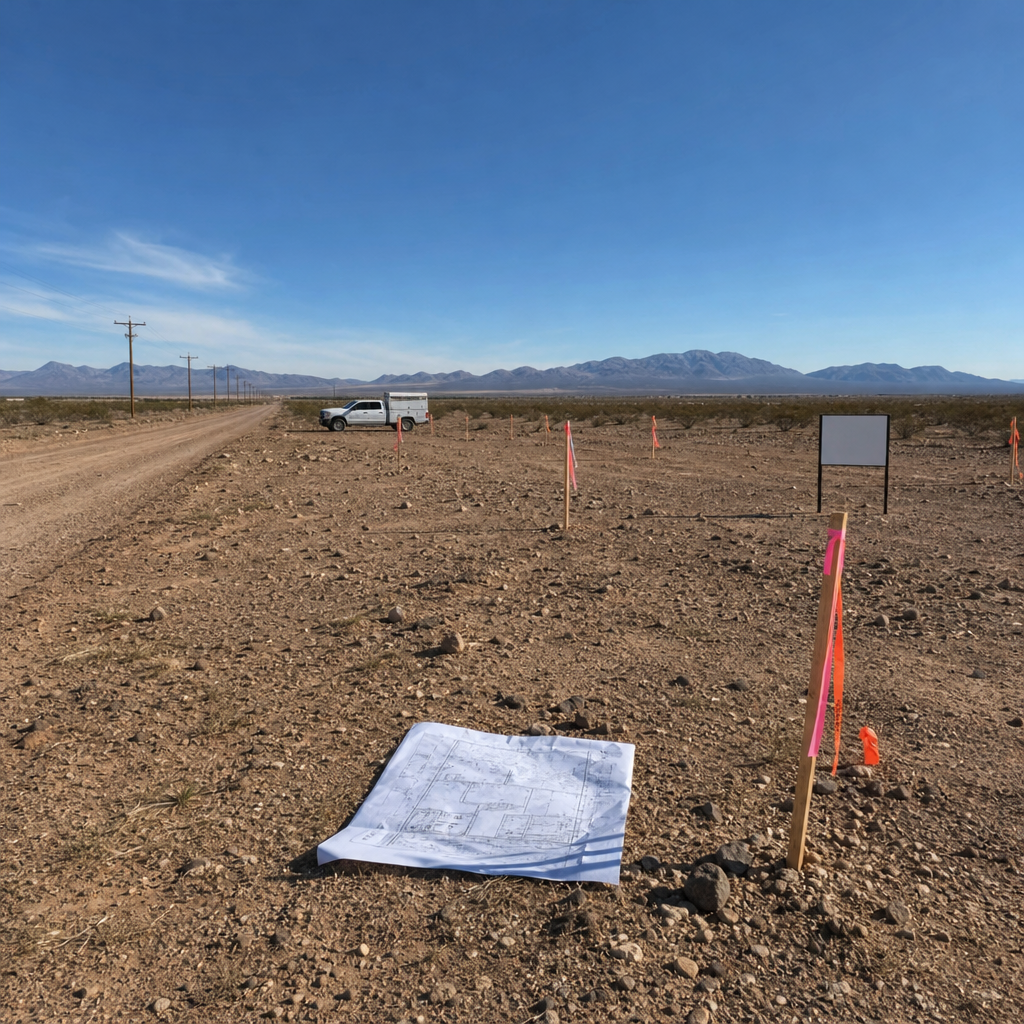
Next consideration: decide whether you can reduce lender uncertainty quickly or whether you need an alternative lender that underwrites to collateral and exit. If speed matters, prioritize lenders that accept asset based underwriting and prepare the three items banks ask for first: survey, title status, and documentation of access.
Quick decision framework: choose the right financing based on purpose and timeline
Make the financing choice by what you intend to do with the land and how fast you must act. Match the lender to the exit, not the other way around. Short holding periods and unclear entitlements need lenders who value speed and collateral flexibility. Long-hold, income-producing, or clearly entitled parcels should aim for lower-cost, permanent lenders even if that takes longer to secure.
Decision checklist
- Purpose: Are you buying to hold, farm, subdivide, build, or flip? The right product follows the purpose.
- Timeline: How soon must you close and what is your realistic exit (3, 12, 24 months)?
- Entitlements and utilities: Do you have approvals, access, or utility connections now or only later?
- Exit certainty: Can you refinance into permanent financing or sell once entitlements are in place?
- Borrower profile: Experience, net worth, and available down payment change which channels will consider you.
| Primary use / timeline | Recommended financing | Typical LTV range | Typical term / speed |
|---|---|---|---|
| Short hold / quick resale (0-12 months) | Private or hard money; seller financing if available | Up to 70% (deal dependent) | Days to 2 weeks; short-term (6-18 months) |
| Build soon / lot tied to construction | Construction-to-permanent or lot loan for builders | 50-75% when tied to construction loan package | 2–8 weeks (longer underwriting); term converts to permanent |
| Agricultural or long-term hold | USDA FSA or Farm Credit; regional land lenders | 40-70% depending on program and borrower | Several weeks to months; amortized long-term |
| Subdivide or entitlement-driven projects | Specialty land lenders, staged private financing | Lower LTV until entitlements — expect conservative caps | Phased funding; slow until entitlements proven |
Practical tradeoff: Speed costs money and reduces LTV. Hard money and seller carries get deals closed fast, but you will pay a premium and must have a realistic, staged exit. Conversely, waiting for permanent financing saves on interest but can kill a deal if seller timelines or option expirations force you to move faster.
Common misjudgment: Many buyers assume they can always refinance into a bank after adding entitlements. In practice banks want completed, recorded entitlements, proven access, and comparable sales. If you plan to refinance, confirm the permanent lender prospect before you rely on that exit.
Concrete Example: An investor finds a 10-acre vacant parcel with potential for four lots and needs to close in 10 days to beat another buyer. The investor uses private land financing to close quickly, funds initial costs to obtain a preliminary plat, then either refinances into a regional land lender after entitlements or sells the subdivided lots. For a fast close and short-term bridge, consider contacting a hard money provider such as Level 4 Funding for a soft quote; see Phoenix Hard Money for Experienced Investors for a real-world reference.
Rule of thumb: If your exit is under 12 months, prioritize speed and a clear payback plan. If your exit is over 24 months, prioritize permanence and lower cost.
Specialty land and agricultural lenders: when to use Farm Credit and regional land lenders
Straight answer: go to Farm Credit or a regional specialty land lender when the land will be owned and operated long term or when entitlements, utilities, and an operational use already exist. These lenders underwrite the property as an ongoing business or a near-term development, not as speculative raw acreage.
When Farm Credit makes sense
Profile fit: Farm Credit System associations such as American AgCredit focus on agricultural land loan needs where the borrower will farm, ranch, or maintain timber operations and can document income or a credible farming plan. They will consider farm cash flow, operator experience, and the enterprise balance sheet alongside the land value.
- Use Farm Credit when: you are an active or prospective operator buying acreage to produce income within a reasonable horizon.
- What they require: business plan, production history or verifiable farming experience, clear access, and often more paperwork including environmental and conservation checks.
- Tradeoff: lower interest and longer amortization than private money, but expect underwriting measured in weeks or months and stricter covenants.
Concrete example: A family that runs a small cattle operation wants to buy a 120 acre pasture adjacent to existing holdings. Farm Credit will evaluate herd revenue, grazing plans, and long term farm cashflow and can provide a multi decade amortizing agricultural land loan if underwriting shows viability. That same borrower would struggle to get fast short term capital from Farm Credit for a speculative subdivide and flip.
When regional specialty land lenders are the better call
What they fund: regional land lenders and niche lot lenders underwrite financed lots, building parcels with utilities, recreational land with proven comps, and small subdivision projects with entitlements in process. They sit between Farm Credit and hard money – more flexible than banks, but not as fast or as high cost as private lenders.
- Use regional lenders when: the parcel has access, utilities or conditional entitlements and you need permanent or medium term financing tied to a development plan.
- Typical terms: longer than hard money, shorter than conventional mortgages – expect lower rates than private lenders but slower approval than a hard money close.
- Limitations: they will push for clear comps, infrastructure commitments, and may require personal guarantees or cross collateral when entitlement risk remains.
Concrete example: A small developer buying a 2 acre lot with conditional subdivision approval gets better LTV and pricing from a regional land lender once the developer provides engineering estimates and a lot sale pro forma. If approvals are not in place, the lender will either require a larger down payment or decline.
Common misunderstanding: many borrowers expect Farm Credit or regional lenders to behave like banks for speculative buys. They do not. If your plan is short term holding, heavy entitlement uncertainty, or no operating purpose, expect tougher terms or a refusal. For farming purchases check USDA Farm Service Agency programs when you need public program options.
Next consideration: if your timeline is under 90 days or entitlements are uncertain, plan for higher cost bridge capital up front and a path to swap into Farm Credit or a regional permanent loan once operating evidence or approvals exist.
Seller financing and creative carryback structures for vacant parcels
Straight truth: seller financing is the fastest, most flexible path when banks refuse raw land, but it is negotiable muscle work, not a free lunch. Sellers will lend only if their price, tax position, or timing justifies the risk.
How it works in practice: the seller executes a promissory note and either a deed of trust or a contract for deed. Payments, amortization schedule, balloon timing, and remedies on default are all contract terms you negotiate. The buyer should insist on recorded security and title insurance to avoid the classic contract for deed traps where the buyer has limited protections.
Common carryback structures and when to use each
- Owner financed note with deed of trust: Best when seller wants a clean, mortgage style arrangement that a later buyer or lender can see in title. Use this when the seller has clear title and no superior mortgage that would trigger a due-on-sale clause.
- Contract for deed (land contract): Simpler for informal deals but offers weaker buyer protections. Works when seller is local, hands-on, and both parties accept slower path to full title transfer.
- Wrap-around mortgage: Useful when seller has an existing low-rate mortgage they do not want to replace. It wraps seller financing around the existing loan, but it risks triggering the underlying lender's due-on-sale clause.
- Seller second or participation note: Seller takes a subordinated position while buyer brings a first lien from a hard money lender. This lowers buyer cash need but requires careful intercreditor language.
Tradeoff to budget for: seller financing can be cheaper than hard money but often carries higher interest than institutional mortgages and lower LTV. Sellers commonly require 20 to 40 percent down to protect themselves. If the seller is financing part of the deal you should expect shorter terms and a balloon within 3 to 7 years.
Legal and title traps: insist on a current title report and escrowed closing. Sellers with existing mortgages can accidentally cause the loan to accelerate. Require seller covenant that they will not trigger encumbrance issues and build allowance for lender consent where necessary. If seller refuses to clear encumbrances, walk.
Negotiation levers that move sellers
- Higher down payment in exchange for lower rate: sellers prefer equity cushion to reduce default risk.
- Shorter amortization and modest balloon: gives seller an exit date while keeping monthly payments affordable for buyer.
- Escrowed PMI or reserve account: protects seller against taxes, insurance, or HOA delinquency.
- Performance milestones for development: tranche releases based on entitlements or recorded plats when seller is selling a subdivision lot.
Concrete example: an investor buys a 5-acre vacant lot to subdivide. Seller carries 60 percent of purchase price at 6.5 percent interest, amortized over 30 years with a 5-year balloon. The buyer puts 40 percent down, uses that runway to secure entitlements, and refinances into a permanent or construction loan before the balloon – closing in two weeks versus months for a bank loan.
Practical judgement: seller financing is best when the seller has motive – tax deferral, steady income, or a quick sale – and when title is clean. Do not rely on seller carry if the seller has a first mortgage that could accelerate or if you need full bank-style protections without paying for them.
Next consideration: if the seller will not carry favorable terms, combine a small seller note with short-term private financing to close fast; see hard money options like Level 4 Funding fast fix and flip loans and background on land loan underwriting at Investopedia.
Private and hard money lenders for land: practical example and comparison
Straight answer: when banks say no, private and hard money lenders will almost always evaluate your land loan the same way – can they see a short, credible exit and does the parcel hold value as collateral. These lenders move on cases where entitlement risk is manageable, the borrower has a clear plan, or there is other collateral to cover downside.
What private hard money lenders actually underwrite
Key items: lenders focus on collateral quality, documented exit, comparable vacant sales, borrower track record, and title clarity. They do not underwrite like mortgage banks. Expect tighter LTV, interest-only structures, and short terms tied to an exit event, not long amortizations.
- Collateral over credit: most will accept lower credit if the land comps and exit are solid
- Exit first: a plan to sell, subdivide, or obtain construction-perm financing within 6 to 24 months is decisive
- Due diligence: current survey, title showing clear access, and site photos materially speed approval
Practical tradeoff: faster closings and relaxed documentation come at the cost of higher rates, shorter terms, and lower LTV. Use hard money when speed or unique collateral makes the deal viable; do not use it as a substitute for a weak business plan.
Quick lender comparison — how the market breaks down
| Lender | Typical max LTV | Typical term | Speed to close | Best use case |
|---|---|---|---|---|
| Level 4 Funding | Up to 70 percent | 6 to 24 months (short term) | 24 hours to 2 weeks | Experienced investors needing fast closings on raw parcels or bridge to entitlement |
| Kiavi (formerly LendingHome) | 40 to 65 percent (varies) | Short term to bridge | 1 to 3 weeks | Residential lot purchases where eventual rehab or build is planned |
| Patch of Land | 50 to 65 percent | 6 to 18 months | 1 to 3 weeks | Smaller investor land flips and lot conversions |
| Lima One Capital | 30 to 60 percent | 12 months to permanent | 2 to 6 weeks | Builder lot financing and construction-to-perm in active markets |
| CoreVest | 40 to 65 percent | Short to medium | 2 to 4 weeks | Investor rental portfolio additions and lot plus build scenarios |
Judgment: marketplace lenders and debt funds vary wildly on land. Some platform lenders are comfortable when the build is next, but many will decline pure raw parcels without a construction tie. Level 4 Funding and similar hard money shops win deals by underwriting the actual exit rather than the promise of long term financing.
Concrete example: an investor in Arizona wants a 15 acre recreational parcel to subdivide into five building lots over 12 months. Traditional banks decline because there are no utilities and comps are thin. Level 4 Funding evaluates the site memo, current survey, comparable rural lot sales, and the investor resume, then funds at 65 percent LTV on a 12 month interest-only note so the borrower can start entitlements and sell two lots to repay the loan.
Hard money is a tool for manageable uncertainty, not a cure for bad deals. If you cannot show a path to pay the loan off within the term, do not expect cheap or lenient terms.
Next consideration: before you submit to multiple private lenders, prepare a one page site memo, three exit scenarios with probable timing, and a current survey. That package separates fast approvals from endless questions.
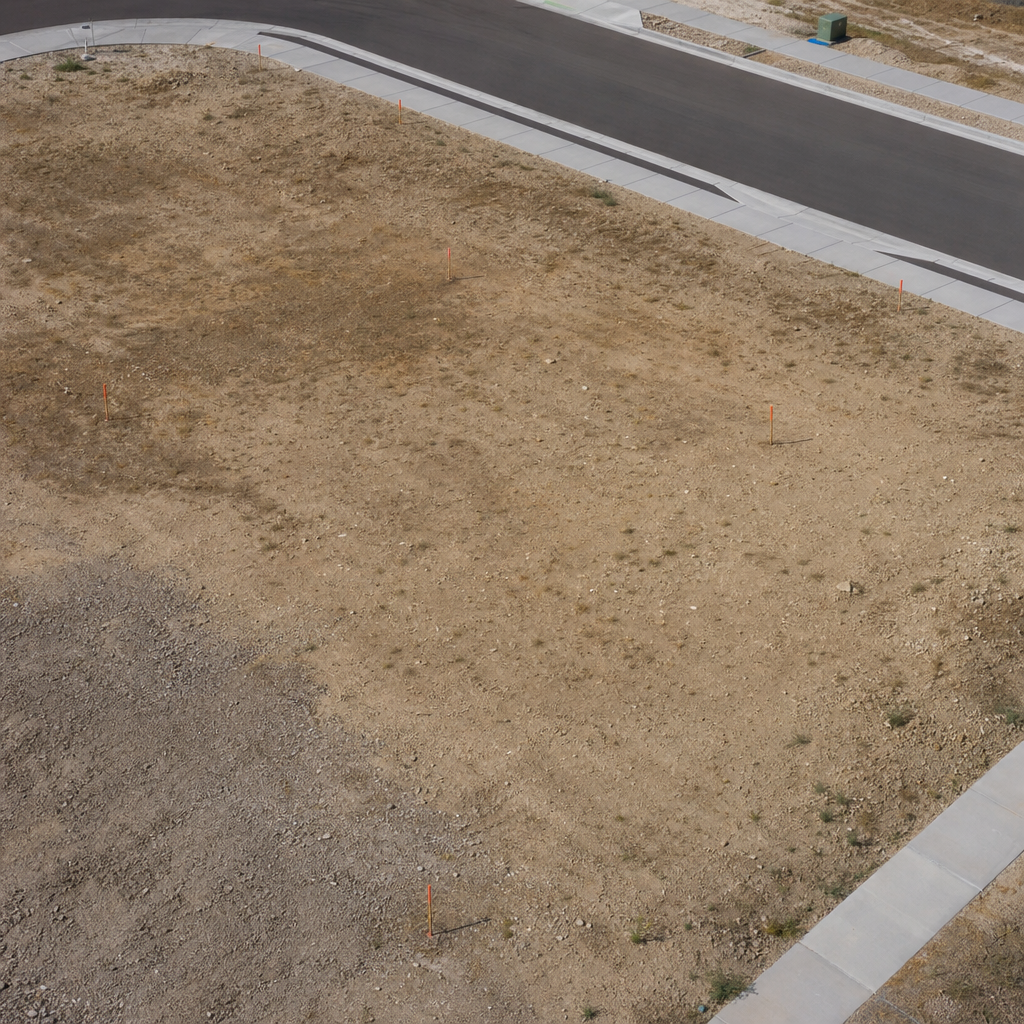
For background on land loan mechanics read Investopedia Land Loans and for a practical guide to bank versus alternative options see Bankrate land loans.
Construction to permanent and lot financing for builders and developers
Direct point: Builders can usually finance a lot when it is paired with a committed build – pure raw lot financing is harder to place. Lenders underwrite the combined project value and the construction cash flow, not the raw dirt alone, so your path to funding runs through a construction plan, a qualified builder or GC, and a credible cost schedule.
How construction to permanent works in practice
Single close versus two close: A single-close construction to permanent loan converts from interest-only construction draws into a permanent amortizing mortgage at completion. That is cleaner for a developer but requires stronger documentation up front. A two-close structure uses a short-term lot or construction loan, then refinances to permanent when the home is complete and sold or leased.
- Lender expectations: approved plans, fixed price or GMP contract with a licensed GC, a realistic draw schedule, detailed budget with allowances, and a timeline to permit and certificate of occupancy.
- Typical LTV reality: lot-only loans commonly sit in the 40 to 60 percent LTV range; combined construction loans can reach 70 to 75 percent of after-completed value with strong sponsors or alternative lenders, but do not count on bank-level LTV when entitlements are missing.
- Speed tradeoff: regional banks and portfolio lenders offer lower rates and longer amortizations but take weeks to underwrite. Private lenders or specialty construction lenders are faster but cost more and have shorter terms.
Cross collateral and gap financing: When a lender will not take a bare lot as sole collateral, use cross collateral – pledge another owned property – or close with a short-term bridge and swap into a construction to permanent facility. That reduces the immediate down payment need but adds complexity and often higher fees.
Practical limitation: If the lot lacks legal access, approved utilities, or a reasonable timetable for permits, construction to permanent lenders will either lower the LTV dramatically or require corrective conditions before funding. Buying land before you have permit certainty is a capital gamble, not a financing strategy.
Concrete example: A small Phoenix builder needs a fast close on a subdivided lot that does not yet have utilities. They obtain a short-term lot loan from a private lender at 60 to 65 percent LTV to secure the parcel within 48 hours, finish utility hookups and permit the house, then move into a construction to permanent loan with a regional portfolio lender once the plans and GC contract are in place.
Documentation and preparation that matter for builders
- Builder packet: resume, recent P&Ls or tax returns, references and list of completed similar projects.
- Project package: site plan, engineered plans, itemized construction budget and contingency, signed GC contract or bid with license and insurance.
- Title and site items: current survey, evidence of legal access, utility plans, and existing easement or HOA restrictions.
- Exit clarity: lease or resale comps, projected stabilized value, and timeline to refinance or sell.
Next consideration: Before you bid on a lot, get the build documents you will need for underwriting. If you cannot produce plans, a GC contract, or a permit timeline, treat the purchase as speculative and plan for higher financing costs or seller carryback instead of bank conversion.
Prepare to win: exact documents and evidence to include with a land finance application
Start with the files lenders actually read. Most loan officers skip glossy business plans and focus on a handful of documents that remove the three biggest unknowns: title risk, access/physical condition, and a credible exit. Deliver those first and you go from speculative to fundable.
Priority checklist — what to include and why
- Current title report (within 30 days) — proves ownership, existing liens, and any recorded easements that kill or permit access
- ALTA or boundary survey — shows lot corners, road access, floodplain, and utilities; many lenders will not fund without it
- Site photos and drone shots — quick visual proof of access, slope, vegetation, and nearby improvements; low cost, high impact
- Zoning/entitlement snapshot — copy of zoning designation, any pending permits, and the county planning contact or case numbers
- Comparable sales for vacant parcels — 3 to 6 comps focused on vacant land, not improved-house sales; lender value models treat house comps as misleading
- Short site memo or sketch plan — one page that states your exit (resell lots, build-to-sell, permanent financing), timeline, and key milestones
- Proof of funds for down payment — bank statements, escrow deposit, or cashier check image
- Project budget or pro forma — for subdivides or build plans include high-level costs and expected proceeds, with contingency
- Environmental flags or Phase I/desktop report — if the site has industrial history or nearby contamination, disclose it up front
- Borrower resume and references — short bio showing relevant deals or a link to a lender-relevant portfolio
Practical insight: order documents by signal value. A clean title, survey, and a crisp exit memo typically unlocks soft approvals. Expensive reports like a full ALTA or Phase I are best ordered after a term sheet unless the lender insists — you risk paying for due diligence before you have a loan commitment.
How to present the exit plan so lenders believe you
Make the exit credible, not aspirational. Lenders reject vague goals. Provide three realistic outcomes ranked by probability and include timelines and triggers for each. Example: subdivide and sell 6 lots within 18 months (primary, 60 percent likelihood), sell whole parcel to local builder within 12 months (secondary, 30 percent), hold and refinance into a long-term land loan within 36 months (backup, 10 percent).
Trade-off to accept: the clearer the exit, the stricter the timeline lenders will hold you to. That shortens flexibility but raises approval odds and LTV. If you need breathing room, disclose that upfront and expect lower LTV or higher pricing.
Concrete example: An investor buying a 15-acre parcel in northern Pinal County submitted a current title report, a recent boundary survey, three vacant-land comps, a two-page subdivide sketch, and proof of a 25 percent down payment. The lender issued a conditional approval within 72 hours and closed in 10 days because the documents eliminated the primary valuation and access questions.
A one-page site memo plus a clean survey often moves a file faster than a 20-page development plan.
Where to go for more templates and fast funding. If speed matters, speak with a hard money lender that underwrites on collateral and exit, and share the prioritized packet above. See Phoenix Hard Money for Experienced Investors for a practical example of documentation expectations and rapid closings.
Costs, timelines, and negotiation levers you need to budget for
Start with three cost buckets: price of capital, noninterest closing and due diligence costs, and carrying costs while you execute the exit. If you only budget for the purchase price you will run out of cash before entitlement, subdivision, or the next sale.
Realistic ranges by lender type
| Lender type | Typical LTV range | Terms and speed | Upfront fees to budget |
|---|---|---|---|
| Private hard money | 50 to 70 percent | Short term 6 to 24 months; closes in days to 2 weeks | Origination 1 to 4 points; appraisal or broker opinion; title and recording |
| Specialty land lenders / Farm Credit | 40 to 60 percent | Longer term 5 to 30 years; underwriting 4 to 8 weeks | Appraisal, survey, environmental if agricultural; legal/closing fees |
| Seller financing | Varies – negotiable | Flexible terms; timeline limited by seller willingness | Possibly lower fees; pay for survey and title policy |
| USDA / FSA programs | Varies by program | Long term; application process can take months | Application, environmental, farm plans, closing costs |
Practical insight: valuation uncertainty drives cost. Appraisers charge more for vacant, undeveloped parcels because comps are thin and site-specific issues matter. Budget $1,500 to $4,000 for a usable appraisal or plan on a broker price opinion plus a detailed market memo if your lender accepts it.
Negotiation levers that actually move lender pricing and structure
- Increase your down payment – reducing LTV by 10 points is the single most effective way to lower rate and fees.
- Offer cross collateral or personal guarantee – use only when the math makes sense because this increases lender comfort and can unlock higher LTV.
- Shorten the term or add milestones – propose a 6 or 12 month term with equity payoff triggers and lenders will often reduce rate for a credible shorter exit.
- Stage advances tied to site work – for developers, tie draws to clear milestones so the lender only funds as value is created.
- Bring a precontract or conditional buy agreement for the exit – a signed lot sales contract or build contract is a tangible reduction of exit risk.
Tradeoff to accept: speed costs money. If you need a closing in a week you will likely pay higher interest and points. If you can wait six to eight weeks to satisfy appraisals, surveys, and entitlements you can access cheaper capital with longer terms.
Concrete example: An investor in Pinal County needs $300,000 to buy 12 acres zoned residential. The bank declines. A private lender offers 65 percent LTV with an interest only 12 month facility, 3 point origination, and requirement that the borrower complete a topo and boundary survey before funding. Closing happens in seven days once the survey and a title update are delivered; borrower budgets $3,200 for survey and $1,500 for title and escrow, plus monthly interest carrying costs.
Budget at least 3 to 6 percent of purchase price for noninterest costs and plan monthly carrying costs into your pro forma before you commit to an offer.
Next consideration: before you choose a lender, add a realistic time buffer for title and survey issues and price those into your break even. If you want a fast hard money quote, start the conversation with a site memo, current survey, and your exit contract and see a conditional offer within 24 to 72 hours; for an example of a hard money route see Phoenix Hard Money for Experienced Investors 2026 Guide.
Actionable next steps and lender comparison checklist
Start with a prioritized playbook. When conventional lenders decline, you do not have time for shopping around blindly. Assemble a short two-page packet that answers what the lender cares about first: parcel basics, exit plan, collateral comps, and timing. That packet lets you get conditional quotes in 24 to 72 hours instead of weeks.
Comparison checklist: what to compare on every land financing offer
- Speed to close: days or weeks, not months
- Max usable LTV: and whether it is based on purchase price or market value
- Term length and rollability: hard money bridges versus permanent amortizations
- Origination and third-party fees: appraisal, survey, recording, interest reserves
- Prepayment and refinance penalties: balloon timing and soft/hard prepay windows
- Due diligence requirements: survey, title exceptions, environmental, geotech
- Lender experience in your market/use case: subdivisions, rural recreational lots, agricultural parcels
- Flexibility on exit: permission to list, subdivide, or bring in JV partners
Practical insight: Speed is the obvious variable, but the real tradeoff is conditional flexibility. A lender that closes in 3 days will probably require a stronger exit plan and a higher interest/fee structure; a slower specialty lender might take 60 to 90 days but deliver lower cost and longer amortization. Pick based on cash flow and the risk of missed milestones, not headline LTV alone.
| Lender type | Speed to close | Typical LTV | Common term | Best use case | Notes |
|---|---|---|---|---|---|
| Hard money / private land financing | 3 days to 2 weeks | 50–70% | 6–36 months | Quick acquisition, bridge to entitlement or sale | Fast, flexible, higher interest and fees; requires clear exit plan |
| Seller financed lots | 1 week to 30 days | Varies (negotiable) | 1–10 years (often balloon) | When seller is motivated or market is illiquid | Lowest friction if seller agrees; requires strong documentation |
| Farm Credit / USDA FSA | 30–90 days | 60–80% (varies) | 15–40 years | Agricultural operations and experienced producers | Lower rates, strict eligibility and demonstrated farming intent |
| Specialty regional land lenders | 30–60 days | 40–65% | 5–30 years | Permanent financing for buildable or entitleable lots | Better pricing but require utilities, access, or entitlements |
| Credit unions / community banks | 2–8 weeks | 40–60% | 5–20 years | Local owners with relationship and clear plans | Possible flexibility if you have deposit/loan history |
Concrete example: An Arizona investor needed a 30-day close on a 10-acre parcel to start subdivision engineering. She prepared a two-page packet, contacted a hard money lender and the seller about carryback, and accepted a 65 percent LTV short-term loan from a private lender while she completed entitlements. After getting tentative subdivision approval she refinanced into a specialty regional loan with a longer term and lower cost.
How to get a conditional pre-approval quickly. Email the two-page packet, attach a current survey or parcel map, and include a one-paragraph exit strategy with timing. Ask for a soft quote first — lenders will give conditional LTV ranges without a full title search. For a hard quote expect to provide proof of down payment, title commitment, and a signed purchase contract.
- Assemble the packet: survey/plat, site photos, comps, proposed exit plan
- Prioritize lenders: pick three — one hard money, one seller or credit union route, one specialty lender
- Request soft quotes: share the packet and require conditional terms in writing
- Order critical reports selectively: buy a survey and title commitment only after a conditional fit
- Negotiate levers: offer higher down payment, shorter term, or cross-collateral to improve LTV
- Choose and close: accept the offer that balances speed and project economics
Final consideration: Don't treat offers as apples-to-apples. Translate each term into total cash cost to your timeline — fees plus interest plus any refinance friction — then decide which lender actually improves your deal economics rather than just ticking a closing box.