


Profitability: Can You Make Money Flipping Homes in Phoenix?
November 10, 2026
Hard Money Lenders in Nevada: Rates, Requirements, and How to Fund Your Next Deal Fast
If you need to close a deal fast in Las Vegas, Henderson, or Reno, a hard money loan nevada can deliver collateral-backed cash when a bank would take weeks. This guide cuts to the numbers you actually need—realistic rate and fee ranges, the exact documents and underwriting triggers lenders expect, and a 24 to 72 hour funding checklist. You will also get negotiation levers and three concrete Nevada deal scenarios with timelines and math so you can pick the fastest, cheapest option that preserves your ROI.
Nevada hard money market snapshot and realistic rate ranges
Current pricing reality: expect headline interest rates for a hard money loan Nevada to fall roughly between 8 percent and 15 percent, with upfront points and origination fees that materially change your effective cost. Lenders that fund fast in Nevada price speed, collateral quality, and exit certainty higher than conventional banks. See state licensing and compliance context at Nevada Division of Mortgage Lending.
Fee anatomy matters more than the nominal rate. Typical ranges you will see in market practice: interest 8–15 percent; points 1–4 (rarely higher for small-ticket or high-risk deals); origination or processing fees 1–3 percent; and sporadic underwriting or inspection fees. These figures align with national product comparisons such as Kiavi and practical investor forums like BiggerPockets.
How pricing shifts by use case and risk
- Fix and flip: generally 9–14 percent, 65–75 percent of ARV or up to 70 percent of purchase plus rehab; points 1–3. Speedier closings or more experienced borrowers shave a point or two.
- Buy-and-hold bridge to refinance: 8–12 percent, lower fees if lender offers a clear conversion to a longer-term product; lenders price DSCR and exit certainty here.
- Construction financing: 10–15 percent with draw inspection fees and lower effective LTV until permanent financing is in place.
- Small commercial / mixed-use: 10–16 percent, often lower LTVs and more stringent environmental and title requirements.
Practical tradeoff: if your timeline is 24 to 72 hours you will pay for that privilege. Fast funding typically requires a small premium: expect a quarter to a full percentage point higher rate or an extra point compared with standard hard money fundings that take longer to underwrite. In practice, reducing LTV or improving borrower liquidity buys rate relief faster than squeezing the underwriter on paperwork.
Concrete example: a Las Vegas flip: purchase price 200000, rehab 50000, total project cost 250000. Lender funds 70 percent of cost -> loan 175000. At 10 percent interest the monthly cash interest is about 1458, two points equals 3500 paid at closing, and six months of financing costs ~12250 total. If the lender instead offers 70 percent of ARV and ARV is 350000, loan could be 245000 which improves immediate liquidity but usually requires stricter valuation and more experienced borrower profile.
Local constraints that change pricing: Clark and Washoe County title quirks, municipal permit backlogs, and busy appraisal windows in hot micro-markets raise perceived risk and therefore rates. Lenders routinely add pricing or require reserves where title exceptions or permitting risk exist. Get title searches started early to avoid these hidden costs.
Judgment: don’t chase the lowest sticker rate without demanding a full net proceeds worksheet and a list of all fees. The lenders who are fastest in Nevada – for example firms that emphasize 24 hour funding like Level 4 Funding – will be transparent about appraisal waivers, title conditions, and exactly how points convert to net proceeds. See Level 4 Funding fast funding example.

Next consideration: if you need to close very quickly, prioritize clean title and a solid exit plan over squeezing a fractional point off rate – those two items move approval and funding speed more reliably than negotiating headline interest.
Loan products and the right use cases in Nevada
Key point: Match the loan product to the exit and hold profile before you shop lenders. Choosing the wrong product is the fastest way to destroy deal math — for example, using a construction-style draw loan for a quick flip raises fees and slows closing compared with a simple bridge or hard money flip product.
Which product fits which investor need
- Fix and flip loans: Short-term (3 to 12 months) interest-only loans underwritten primarily to ARV and rehab budget. Typical Nevada practice is 65 to 75 percent of ARV or up to 70 percent combined on purchase plus rehab. Use when the exit is a resale and you need speed; tradeoff is higher monthly cost and stricter draws tied to contractor invoices.
- Bridge/quick purchase loans: Very short-term (days to a few months) loans used to close a purchase quickly and buy time for a refinance or rehab. These are the fastest funding path for competitive offers in Las Vegas or Reno but usually carry higher points and tighter payback expectations.
- Construction loans (private): Staged draws for ground-up or heavy renovation projects. Useful for small multifamily or custom builds where banks are too slow, but expect stronger contractor qualifications, draw inspections, and higher fees versus permanent construction loans.
- Rental/DSCR private loans: Longer short-term options (1 to 3 years) focused on debt-service coverage rather than borrower income. LTVs are typically lower (55 to 70 percent) and lenders will want a clear refinance or conversion plan to permanent financing.
- Commercial hard money: For retail, mixed-use, or small office buildings. Underwriting looks at cash flow potential, zoning, and environmental risk; expect lower LTVs and longer due diligence timelines when environmental or zoning documentation is required.
Practical insight: Nevada hard money lenders price around the exit certainty. If you can deliver a signed listing agreement, a refinance commitment, or a firm refinance term sheet, you will get materially better pricing and higher LTV than an open-ended intent to sell.
Limitation to plan for: Private construction products add complexity — draw inspections, holdbacks, and contractor approvals slow the monthly disbursement cadence. If your goal is speed to close and a short rehab, a simpler flip product with a single upfront advance plus a small contingency often reduces friction.
Concrete example: A Las Vegas investor buying a distressed SFR for $200,000 with $50,000 rehab and an ARV of $320,000 will typically seek a fix and flip loan. A lender offering 70 percent ARV would underwrite to a $224,000 loan, leaving the borrower to cover the $26,000 gap plus closing costs. That structure funds fast but forces tight control of rehab draws and a clear resale timeline.
| Product | Typical term | Typical LTV/ARV | Best use case | Primary tradeoff |
|---|---|---|---|---|
| Fix and flip | 3 – 12 months | 65 – 75% ARV | Quick rehabs and resale | Higher monthly cost; strict draw controls |
| Bridge / Quick purchase | Days – 3 months | 50 – 70% loan to value | Win competitive offers / auction buys | Highest points; must show clean exit |
| Private construction | 6 – 24 months | 60 – 75% of cost-to-complete | Ground-up or major rehab with draws | Slower disbursement; inspection overhead |
| Rental / DSCR | 1 – 3 years | 55 – 70% LTV | Stabilize and refinance to permanent loan | Lower LTV; lender wants a conversion plan |
| Commercial hard money | 6 – 36 months | 50 – 65% LTV | Mixed-use or small retail acquisitions | Longer due diligence; environmental checks |
Where to look next: For licensing or compliance questions tied to Nevada lenders, check the Nevada Division of Mortgage Lending at Nevada Division of Mortgage Lending. For an example of a fast funder with broad product coverage, see Level 4 Funding resources such as Interest on Hard Money Loans: Rates, Terms & Negotiation.
Takeaway: pick the product that mirrors your exit and document that exit for the lender — speed and price hinge on exit certainty, not on persuasive promises.
Qualification and underwriting requirements specific to Nevada deals
Collateral-first underwriting: Nevada hard money lenders underwrite deals to the property and exit plan first, not the borrower paycheck. Expect decisions driven by loan-to-ARV, loan-to-purchase-plus-rehab (LTC), clear title, and a credible exit — these four things predict approval speed more than a perfect credit score.
Primary underwriting lenses lenders use in Nevada
Loan sizing rules: Most Nevada private lenders quote either percent of ARV (commonly 65–75 percent for residential flips) or percent of purchase plus rehab (LTC, often 60–70 percent). Which metric the lender uses changes how much cash you must bring. Commercial deals drop to 55–65 percent LTV and typically need more documentation.
- Collateral health: clean, insurable title; no unresolved code violations or tax/assessment liens.
- Valuation evidence: appraisal, BPO, or comparable grid — appraisal waivers are possible but rare on atypical Nevada properties.
- Exit clarity: firm resale plan, refinance path, or pre-signed lease/DSCR projections for rentals.
- Borrower profile: experience matters; inexperienced borrowers can still get funded but pay higher rates or must provide more equity or a co-signer.
Entity and personal guarantees: Lenders will accept LLCs, S-corps, or individuals, but most require a personal guarantee and will pull a soft or hard credit check. A sub-600 FICO is not an auto-reject, but expect higher points, stricter LTV, or a demand for more cash-in when credit is weak.
Title and Nevada-specific exceptions: Clark and Washoe counties surface predictable hold-ups — unpaid HOA superpriority liens, county code enforcement liens, unrecorded mechanics liens, and older properties with ambiguous ownership chains. Lenders will push title companies for insurable title; unresolved exceptions force either a hold on funding or a title cure plan that adds days and cost.
Permitting, environmental, and local regs: In Nevada, lenders watch permit status closely in municipalities such as Las Vegas and Reno. Projects without proper permits or with active municipal violations trigger either a funding denial or a conditional loan with cure milestones and higher reserves. Commercial and mixed-use deals commonly require Phase I environmental screening — expect that as a minimum.
Practical trade-off: If you need speed, prioritize clean title and a valuation path over pushing for slightly lower interest. A clean title plus a BPO or appraisal waiver will get offers turned into funded loans faster than negotiating a 0.5 percent rate improvement while title remains unresolved.
Concrete example: A Las Vegas SFR purchase for $200,000 with $50,000 rehab and projected ARV of $350,000 illustrates the point. If a lender underwrites at 70 percent of ARV, the max loan is $245,000 — covering the $250,000 acquisition+rehab leaves you needing $5,000 cash. If the same lender uses 70 percent LTC, the max loan is $175,000, forcing a $75,000 cash contribution. Know which metric your lender will use before signing the purchase contract.
What lenders commonly misunderstand about Nevada deals — and what you should push back on: Many borrowers assume speed comes only from lender willingness. In practice, lenders will not fund quickly if title, permits, or the exit plan are shaky. Push lenders for a clear pre-funding checklist and a written timeline; if they hedge on title cure responsibility, negotiate that into the agreement or walk.
Next consideration: Before calling lenders, pull a title report, assemble contractor bids, and run two financing scenarios (ARV-based and LTC-based). If you need a checklist template or an example net-proceeds worksheet, see the Level 4 Funding readiness resources and consult Nevada Division of Mortgage Lending for licensing questions: Nevada Division of Mortgage Lending.
Step-by-step funding timeline and a 24 to 72 hour fast funding checklist
Straight fact: closing a hard money loan in 24 to 72 hours is possible, but it only happens when three things are already solved before you call the lender — clear title, a defensible valuation path, and borrower readiness with funds and documents. Lenders will not waive title or valuation risk; they accelerate only when those pieces are clean.
Fast funding timeline — what happens in each window
| Hour window | Key milestones | Owner / Notes |
|---|---|---|
| 0–6 hours | Loan intake and docs check. Lender confirms purchase contract, ID, proof of funds, rehab scope, and contractor bids. | Borrower prepares packet; lender opens file and orders title. If title is clean, lender triggers valuation. |
| 6–12 hours | Valuation decision. Appraisal ordered or appraisal waiver/BPO accepted. Lender issues preliminary approval if numbers check. | Lender or third-party appraiser; an appraisal waiver shortens time but may lower LTV or raise rate. |
| 12–24 hours | Title review & clearances. Title company confirms insurable title or identifies curable defects; commitments delivered. | Title company coordinates cures. Wire instructions prepared; borrower signs documents (eSign or in-person). |
| 24–48 hours | Final docs and funding prep. Loan package finalized, escrow instructions signed, lender wires funds or instructs escrow. | Escrow/settlement agent executes; funds release contingent on insurance and final title policy. |
| 48–72 hours | Contingency window. Minor title cures or late documentation completed; funds released once cleared. | If issues surface, timeline resets — expect 3–7 extra days for title cures or permit verifications. |
- Pre-call packet (do this before you pick up the phone): Purchase contract, seller vesting, government ID, proof of down payment, contractor bids or G702/G703, and a one-page project summary with ARV comps.
- Valuation accelerators: Ask the lender if they accept an appraisal waiver, broker price opinion, or desktop appraisal. Note: waivers cut time but reduce max LTV.
- Title fast-tracks: Order title the moment contract is signed. If title reveals defects, you need a pre-negotiated cure plan or funds set aside for resolution.
- Sign and fund logistics: Be ready for eSign, couriered wet signatures, and immediate wire availability. Delays almost always come from missing signatures or slow wire timing.
Concrete Example: An investor in Las Vegas had a $150,000 purchase, $40,000 rehab, three contractor bids, and an appraisal waiver from Level 4 Funding. Because title was clean and the borrower had earnest money wired, the lender issued a conditional approval within 6 hours and wired funds within 24 hours. This required the borrower to accept a slightly higher rate and one point for the expedited service.
Fast funding trade-off: expect to pay more for speed — higher points or a slightly higher rate is standard, and appraisal waivers lower LTV which reduces available cash at close.
Practical limitation: Some municipal issues in Reno or older Clark County properties — unpaid HOA fines, open permits, or boundary disputes — cannot be cured overnight. If the subject property has those flags, plan for 7–14 days and negotiate a bridge or short contingency instead of forcing a 24-hour close.
What to do now: assemble your lender-ready packet, order title immediately on contract execution, and confirm the lender accepts appraisal waivers or accelerated valuation. If you want a lender known for quick closings, see this Level 4 Funding example at Top AZ Hard Money Lender: Fast Funding for Local Deals.
Costs, fee structure, and how to negotiate terms that improve return on investment
Straight answer: the headline interest rate is only one part of your true financing cost for a hard money loan nevada. Points, origination fees, draw and inspection fees, escrow and title charges, and how interest is calculated often change the effective rate by several percentage points and can make or break a flip.
Cost components and the levers that matter
- Interest rate: typically quoted annual percent; check whether lender charges simple interest or amortized interest for monthly accrual.
- Points / origination fee: usually 1 to 4 points or 1 to 3 percent; billed up front and reduces your net proceeds.
- Inspection/draw fees: per-draw charges and third party inspector fees add up on multi draw construction loans.
- Escrow, title, recording: local county costs in Clark County or Washoe County vary; ask for a closing cost estimate early.
- Prepayment, extension, and default penalties: these can flip a short term loan into a costly long tail if your exit slips.
Practical negotiation levers: speed and certainty beat headline rate in most Nevada deals. If you can give a clean title, proof of contractor bids, and a clear exit plan, you can negotiate down points more easily than you can negotiate 1 percent off the rate. Higher earnest money, seller-paid points split, or a shorter guaranteed term are often the fastest ways to buy a point reduction.
Tradeoff to understand: choosing fewer points with a slightly higher rate benefits longer holds. For 30 to 90 day flips, paying points to lower the monthly interest often increases cash on cash. For 6 to 12 month projects, compare effective monthly cost including points rather than focus only on APR.
Concrete example: Purchase $200,000, rehab $50,000, 70 percent LTV to purchase plus rehab, lender charges 10 percent annual interest and 2 points. Interest cost per month on a $175,000 loan is about $1,458. Points cost 2 percent equals $3,500 up front. Over a 6 month flip your interest totals about $8,750 plus points and fees, so total financing cost approaches $12,500 before escrow and draws. That reduces the project bottom line materially and must be baked into ARV math.
What works in practice: lenders value predictable exits. Offering a documented refinance path, or providing a prequalified long term lender letter, will often reduce fees or get a rate concession. Similarly, agreeing to staged inspections that limit the number of draws or using a trusted local title company reduces perceived execution risk and creates room to negotiate.
Red flag negotiation positions: accept a lower rate only if the lender provides a full net proceeds worksheet and itemized closing costs. If a lender refuses to show a sample closing statement or has opaque draw schedules, do not assume buried fees will be small.
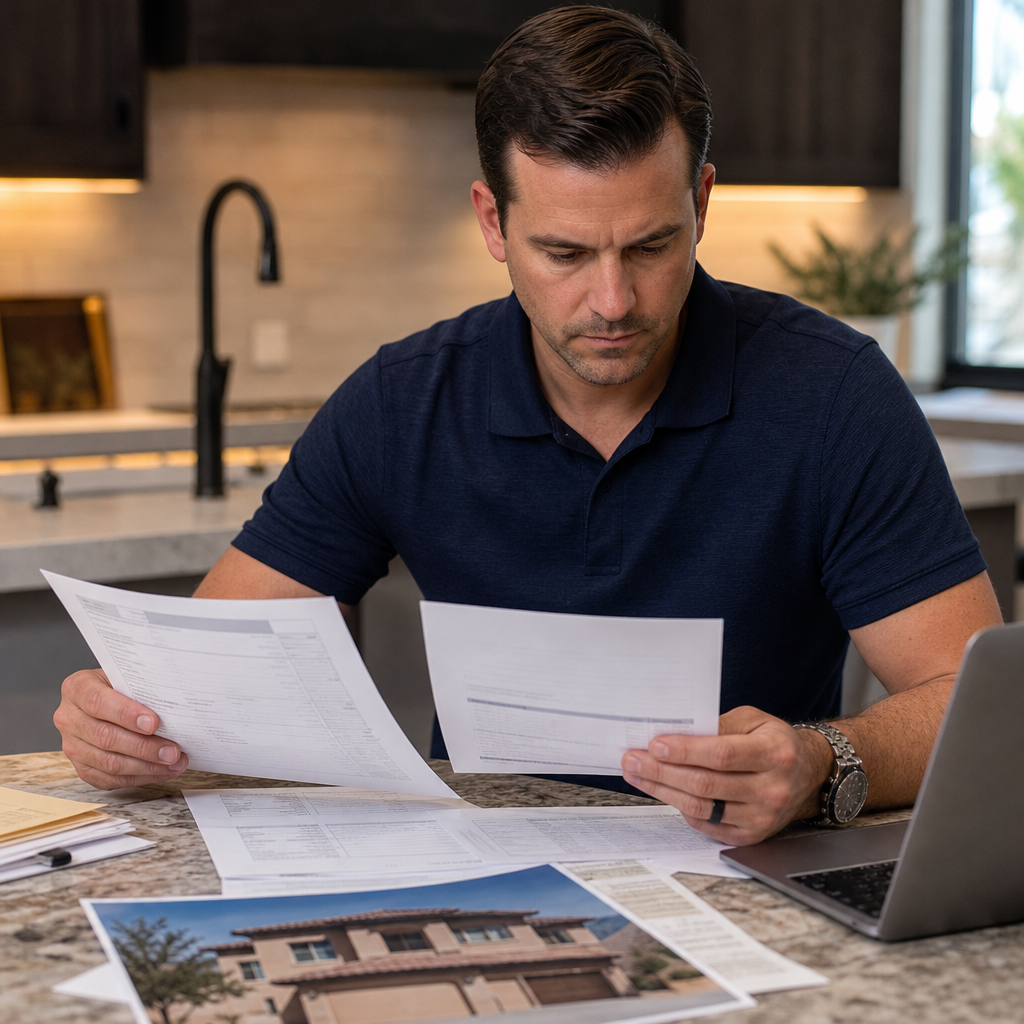
If you want a faster read on specific lender pricing or a sample net proceeds worksheet, review Level 4 Funding examples and confirm regulatory compliance with the Nevada Division of Mortgage Lending.
How to choose a Nevada hard money lender and red flags to avoid
Start with decision criteria, not marketing claims. When you need a hard money loan nevada, prioritize measurable capabilities: actual funding speed on closed titles, transparent all-in cost, local title and closing partners, and demonstrated experience on your property type in Las Vegas, Henderson, or Reno.
Checklist: what separates a reliable private lender from a risky one
- Speed evidence: Ask for a recent example and contact details of a deal they funded inside 72 hours. Fast promises are meaningless without examples.
- Full fee disclosure: Demand a sample net proceeds worksheet that lists interest, points, origination, title, escrow, draw fees, and any reserves. Compare apples to apples.
- Approval authority: Prefer lenders with local underwriters or known decision timelines. National platforms can be fast, but slow committee approvals kill 24 hour closings.
- Title and closer relationships: A lender who uses known Nevada title companies and has a defined title cure process will close faster. Verify which title company they will use.
- Product fit: Confirm they fund your loan type – residential flip, construction, DSCR rental, or small commercial. Some lenders advertise broadly but only underwrite specific products.
- Recourse and guaranty terms: Understand personal recourse, guarantor requirements, and major covenant triggers before you sign.
- Liquidity and warehouse transparency: Ask if they warehouse loans or sell loans on day one. A lender dependent on immediate sale may delay or change terms.
- References and recent local deals: Get at least two borrower references from Nevada deals and check county recorder for filings if you doubt performance.
Practical tradeoff: The fastest lenders usually charge higher points or stricter reserves. If you insist on a 24 hour close, expect to either pay up front or give stronger collateral and more earnest money.
Red flags that should stop you from signing
- No sample payoff or net sheet: If a lender refuses to produce a net proceeds example, walk away.
- Hidden or variable fees: Vague language like additional fees charged at closing without caps is a red flag.
- Unlicensed activity in Nevada: Check licensing with the Nevada Division of Mortgage Lending. If they avoid licensing questions, do not proceed.
- Inconsistent closing times: Promises of 24 hour funding but a history of 7 to 14 day closings indicate process or liquidity problems.
- Demanding unusual collateral or unsecured structures without explanation: Be suspicious if a lender insists on unrelated personal assets or third party guarantees without business reason.
- Poor communication or no escrow/title plan: If they cannot name a Nevada title closer or refuse to coordinate early, expect delays.
- Pressure to sign before full terms are provided: High-pressure tactics to lock you in before you see the complete loan agreement usually hide unfavorable clauses.
Concrete example: An investor in Las Vegas needed a 24 hour close on a single family flip. Level 4 Funding supplied a sample net sheet, agreed to use the investor's local title company, accepted an appraisal waiver because comps were strong, and funded within 24 hours once title cleared. The faster quote carried an extra point compared with a slower competitor, but the investor preserved the deal and covered the cost with a slightly higher final sale price.
Judgment you will not hear elsewhere: Do not pick a lender solely on headline rate. Headline rates are negotiable; process reliability and clear title workflows are not. A slightly higher all-in cost from a lender who closes on time is usually worth more than chasing a lower rate from a lender who misses deadlines.
Next consideration: Assemble your top two lenders against this checklist, get their sample net sheets and recent Nevada deal references, and then choose the one whose execution plan best matches your exit timeline.
Three concrete Nevada deal scenarios with numbers and timelines
Straight to the point: below are three real, executable Nevada hard money loan nevada scenarios with math and realistic funding timelines you can use at the offer stage.
Scenario 1 — Las Vegas single family fix and flip (fast close)
Deal facts: Purchase price 200000, rehab 50000, after repair value (ARV) 350000. Lender offers 70 percent of ARV or purchase plus rehab whichever is lower. Using a 70 percent ARV cap the max loan = 245000. Borrower needs 25000 cash at close (200000 purchase minus 175000 loan-to-purchase plus 50000 rehab minus remaining loan capacity).
Pricing and timeline: Assume a 10 percent interest rate, 2 points, interest-only monthly payment roughly 2042 on the full loan amount and up front points of 4900. Typical term 6 months. With clean title, full borrower packet and appraisal waiver this can fund in 24 hours with a responsive closer. Tradeoff: accepting an appraisal waiver speeds funding but often reduces the maximum loan amount and increases risk if ARV is optimistic.
Concrete example: An investor closes at 200000, funds with 245000 loan, uses 50000 for rehab draws, pays monthly interest 2042 and exits at sale month 5. Sale net after rehab and selling costs yields quick ROI only if rehab finishes on schedule. Miss the timeline and holding costs erode profit quickly.
Scenario 2 — Reno buy and hold using short term bridge to stabilize
Deal facts: Purchase price 375000 for a 4 unit with minor deferred maintenance, minimal rehab 25000, intended to stabilize and refinance to a conventional DSCR loan at 70 percent LTV. Lender will underwrite to purchase plus rehab at 70 percent, so loan = 280000. Borrower must bring 120000 to close.
Pricing and timeline: Assume 9.5 percent interest, 1.5 points, interest-only payments while units are leased. Funding realistic window 48 to 72 hours if leases can be provided or unit rents supported by comps. Consideration: short term bridge preserves cash flow but bridging to conventional financing requires clean operating history; do not overestimate refinance timelines.
Scenario 3 — Henderson small mixed use commercial bridge
Deal facts: Mixed use retail over two apartments. Purchase price 900000, moderate tenant improvements 80000, lender offers 65 percent LTC for commercial deals so loan = 637000. Commercial hard money underwriting requires lease abstracts, NOI history, and basic environmental check.
Pricing and timeline: Commercial rates tend to be higher and terms tighter. Use 12 percent interest, 3 points, term 30 to 45 days to execute repositioning or refinance. Expect funding in 5 to 10 business days with full documentation; pushing for faster funding is possible but increases fees and often triggers more conservative LTVs. Limitation: commercial deals commonly fail fast funding tests due to lease or environmental issues.
| Scenario | Loan Amount | Assumed Rate & Points | Fund Timeline | Exit |
|---|---|---|---|---|
| Las Vegas flip | 245000 (70% ARV) | 10% interest, 2 points | 24 hours if title and docs clean | Sell within 6 months |
| Reno rental bridge | 280000 (70% P+R) | 9.5% interest, 1.5 points | 48-72 hours with leases/comps | Refinance to conventional DSCR |
| Henderson mixed use | 637000 (65% LTC) | 12% interest, 3 points | 5-10 business days typical | Refinance or sale in 30-45 days |
Practical judgment: Chasing maximum LTV to minimize cash at close frequently backfires. Higher LTVs mean higher rates, more conditions, and less margin for cost overruns. In practice take a slightly lower LTV for a clearer underwriting path, faster funding, and lower effective cost unless cash is the binding constraint.
- When to push for 24 hour funding: clean title, appraisal waiver, contractor ready to draw, and clear comparables
- When to expect friction: title exceptions, contested leases, significant zoning or environmental checks
- Exit discipline: lock sale or refinance windows before agreeing to high points for speed
Further reading: For licensing and compliance points that sometimes delay commercial closings see Nevada Division of Mortgage Lending and for negotiation tactics on rates see Interest on Hard Money Loans: Rates, Terms & Negotiation.
Next steps for readers and lender contact readiness
Start ready, not reactive. You will not win a same-day hard money approval by emailing scattered files or asking for a price without a project summary. Lenders prioritize clean, prioritized packets that answer collateral, exit, and title questions at a glance.
Priority lender-ready packet
Priority documents first. Put the three items a lender will open immediately at the top: purchase contract, clear project budget (purchase + rehab), and 2 to 4 comps or an ARV worksheet.
- Top tier (attach as separate files): Executed purchase contract; signed seller disclosures; earnest money proof
- Second tier: Rehab scope and contractor bids; line-item budget in .xlsx or PDF; timeline with key milestones
- Third tier: Recent mortgage or title report if available; borrower ID and entity documents (LLC operating agreement); proof of down payment or liquid reserves
- Valuation support: 2 to 4 comparable sales, recent listing history, and any broker price opinion
- Optional but useful: Photos of property exterior/interior, permit history, and contractor license numbers
Practical insight. Lenders will start conditional approval on the first three documents. Everything else speeds underwriting but does not replace a clear ARV and budget. If you try to force-feed every document at once, you create version control problems and slow the reviewer.
What to email first and what to expect on the initial call
Email subject line that gets action: Use a single-line subject with market, product, and target close date – for example: Las Vegas – 123 Main St – Flip – Need funding 04/15.
- Attach purchase contract, budget, and comps as the first three files. Name files clearly: Purchase123Main.pdf, Budget123Main.xlsx, Comps_123Main.pdf.
- On the call: expect the lender to ask for net proceeds sketch, title status, appraisal preference, and whether you need draws or one-time funding.
- Email follow-up: include requested NMLS or licensing concerns if you operate in Nevada; reference Nevada Division of Mortgage Lending if title or licensing issues are flagged.
Trade-off to accept. Faster reviews favor clarity, not completeness. Send the prioritized packet and commit to delivering follow-on items within 24 hours. Lenders will conditionally price deals with an agreement to get the remaining documents quickly.
Concrete example: An investor targeting a Henderson flip emails the purchase contract, a one-page budget, and three comps at 8:00 AM. The lender calls at 10:30 AM for a short clarifying list and issues a conditional approval by noon; funding occurs the next business day after title confirms no exceptions.
- Sample questions to ask on the first call: What exact fees will appear on the net sheet; will you accept an appraisal waiver; what title exceptions will block funding; what items can be post-closing conditions; expected funding timeline if title is clean.
- Negotiation-ready posture: Offer proof of a local contractor, higher earnest money, or an up-front appraisal payment to tighten pricing or speed a 24-hour close.